Customer expectations in the food and beverage industry have evolved dramatically. Modern diners demand lightning-fast table service, contactless ordering convenience, digital payment flexibility, and personalized dining experiences. For restaurant owners, meeting these expectations while controlling labor costs and food waste requires a modern technology foundation.
Combining a modern Smart POS System with interactive Digital QR Code Menus bridges the gap between kitchen efficiency and customer satisfaction. By empowering guests to browse high-resolution dish photos, customize dietary preferences, and pay seamlessly from their smartphones, food service businesses can eliminate ordering friction and turn first-time guests into lifelong brand advocates.
In this comprehensive guide, we explore how integrating smart Point of Sale software with digital menu solutions elevates guest satisfaction, boosts average check sizes, and optimizes daily restaurant operations.
1. Accelerating Checkout Speed & Digital Payments
Long wait times to place an order or pay the bill are among the leading causes of negative customer reviews. Smart POS systems paired with contactless digital menus eliminate checkout bottlenecks by accelerating every step of the dining transaction.
When diners sit at a table, they simply scan a tabletop QR code menu with their smartphone camera to open your interactive menu instantly. Guests can browse categorized items, view allergen tags, select customization options, and submit their order directly to the kitchen without waiting for a waiter to bring paper menus.
Speed of Service Impact: Self-ordering QR code menus reduce initial order placement time by up to 60%, allowing guests to start enjoying their drinks and appetizers faster while increasing overall table turnover during peak dining hours.
Payment options enabled by smart POS integration:
- Instant Dynamic UPI Payments: Guests scan a bill-specific QR code to pay instantly via Google Pay, PhonePe, or Paytm.
- Contactless Card Tapping: Process NFC credit and debit card payments directly at table-side with mobile POS devices.
- Zero-Fee WhatsApp Receipts: Send paperless digital bills directly to customer phones, eliminating thermal paper costs.
2. Personalized Guest Experiences & Smart CRM Insights
Personalization has become a cornerstone of modern hospitality. Guests appreciate establishments that remember their dietary preferences, favorite wine pairings, or special anniversary dates.
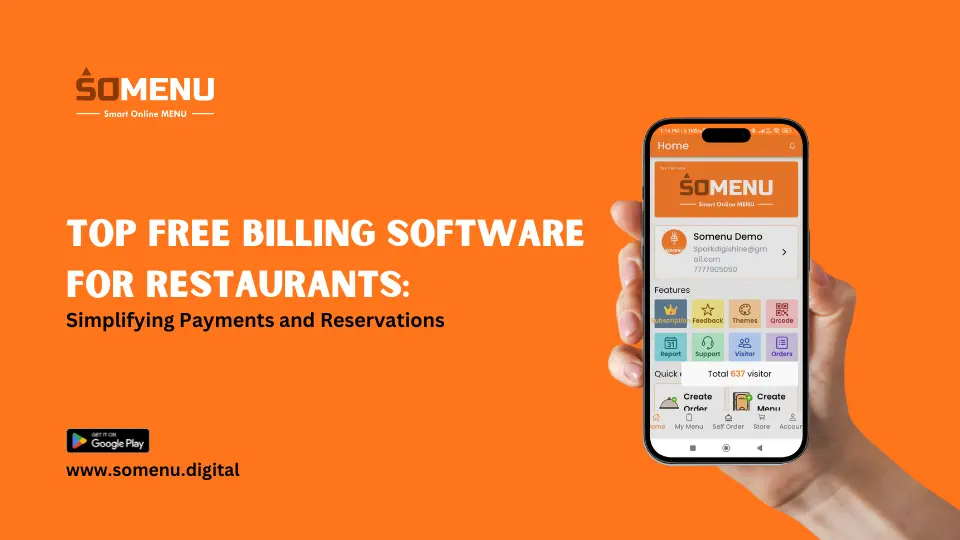
Smart POS platforms like SOMENU incorporate built-in Customer Relationship Management (CRM) databases that log guest order histories automatically. When a regular guest scans your QR menu or gives their phone number at checkout, the system can suggest tailored dish recommendations based on past orders or highlight vegetarian and gluten-free items that match their dietary profile.
4. Integrated Guest Loyalty & Automated Reward Points
Customer retention is far more cost-effective than acquiring new guests. However, traditional punch cards get lost, and complicated third-party loyalty apps frustrate customers during checkout.
Smart POS systems solve loyalty friction by integrating reward programs directly into your digital QR code menu and billing workflows. Customers automatically accumulate reward points every time they scan to order or receive a digital bill on WhatsApp. Guests can redeem points for free appetizers or percentage discounts with a single tap on their smartphone screen, encouraging frequent repeat visits.
5. Maximizing Floor Staff Productivity & Service Quality
Staffing shortages remain a major operational hurdle for restaurant operators worldwide. Forcing floor waiters to spend half their shift running paper tickets back and forth between tables and the kitchen reduces the time they can spend attending to guest comfort.
Operational Efficiency: When digital QR code menus handle routine order taking and bill presentation, your waitstaff can transition from basic order takers to attentive hospitality hosts. Servers can focus on table check-ins, answering culinary questions, and delivering exceptional hospitality.
Staffing benefits achieved through smart POS automation:
- Reduced Order Entry Errors: Direct digital transmission from guest smartphones to Kitchen Display Systems (KDS) eliminates misheard order modifications.
- Higher Waiter Tips: Faster service speed and attentive table care naturally increase server tip percentages.
- Optimized Labor Costs: Operate busy shifts smoothly with fewer floor staff without compromising service quality.
6. Data-Driven Operational Intelligence & Menu Engineering
Understanding guest ordering behavior is essential for optimizing restaurant profitability. Traditional paper menus provide zero data on which items customers look at most or which high-margin add-ons get overlooked.
Smart POS analytics track real-time dish popularity, peak ordering hours, average check sizes, and food preparation times. By analyzing digital menu click-through rates, restaurant managers can perform strategic menu engineering—repositioning high-profit items to prominent visual spots or bundling slow-moving appetizers into attractive combo meals.
7. Unifying Dine-In, Takeaway & Online Delivery
Today's restaurant customers interact with your brand across multiple touchpoints: dining room tables, curbside pickup counters, brand website orders, and third-party delivery platforms like Swiggy and Zomato.
Smart POS software consolidates all online and offline sales feeds onto a single master billing screen. Kitchen prep stations receive unified tickets (KOT) regardless of whether an order originated from Table 4 or an online delivery app, ensuring accurate ingredient inventory deduction across all channels.
9. Frequently Asked Questions
What is a Smart POS system?
A Smart POS system is a cloud-based billing, inventory, and restaurant management platform that integrates digital menus, mobile payments, kitchen display screens, and CRM analytics into a single synchronized network.
How do digital QR code menus improve the guest dining experience?
Digital QR menus allow guests to scan tabletop codes to instantly view visual menus, customize dishes, check allergen details, and place orders without waiting for paper menus or available floor staff.
Do customers need to download an app to view a digital menu?
No. Modern digital menu systems like SOMENU operate directly in standard mobile web browsers (Safari, Chrome). Guests simply scan the QR code with their camera to open the menu instantly.
Can digital menus help increase average order check sizes?
Yes. Interactive digital menus use high-resolution photos, automated combo prompts, and modifier upsells (such as extra cheese, beverage add-ons, or dessert pairings) that consistently increase average order values by 15% to 25%.
How does SOMENU AI Menu Import work?
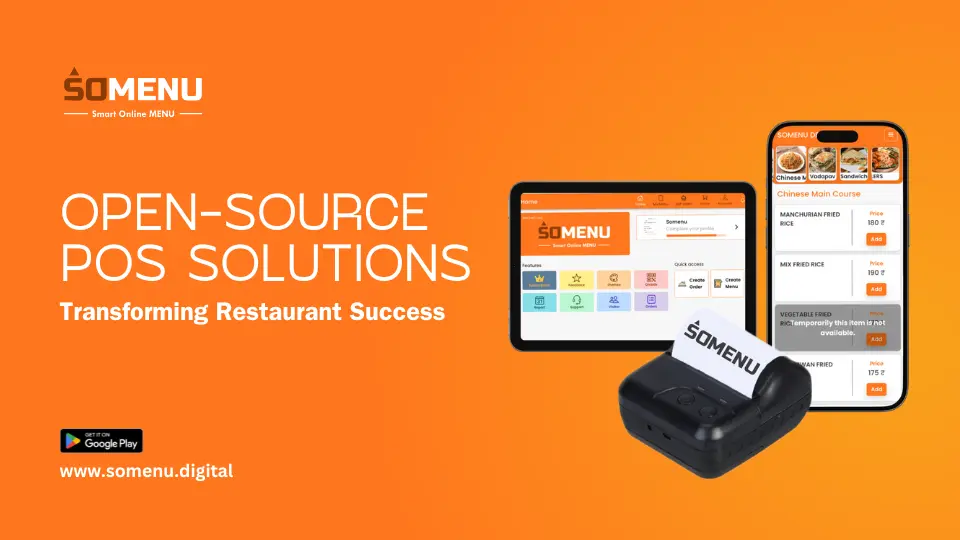
SOMENU allows restaurant owners to upload a PDF file or photo of an existing paper menu. The built-in AI Menu Scanner automatically extracts dish names, descriptions, category tags, and prices into a live digital menu in under 60 seconds.
What happens if the internet goes down at my restaurant?
SOMENU features an offline-first hybrid architecture. Billing registers, table ordering, and kitchen printer tickets (KOT) continue working seamlessly during internet outages, automatically syncing back to the cloud once connectivity returns.
How does a Smart POS boost waitstaff productivity?
By automating routine order entry and bill printing, Smart POS systems free floor staff from paper-pushing, allowing them to focus on attentive table service, food presentation, and delivering memorable guest hospitality.
Can I update my digital menu prices mid-shift?
Yes. Managers can toggle out-of-stock items off, launch happy hour discounts, or update item prices instantly across all tabletop QR codes and display screens from any smartphone or tablet.
How does paperless WhatsApp receipt sharing benefit my business?
WhatsApp receipts eliminate thermal paper expenses while automatically building an opt-in customer phone database for targeted promotional offers, feedback surveys, and loyalty rewards.
Is special hardware required to implement SOMENU digital menus?
No. SOMENU is cross-platform and works on standard tabletop QR standees, Android tablets, iPads, smartphones, and standard thermal receipt printers.
10. Conclusion
Enhancing customer experience is no longer optional in today's competitive restaurant landscape—it is essential for long-term survival and growth. By integrating modern smart POS technology with interactive digital QR menus, food service establishments can eliminate checkout friction, increase check sizes, and deliver the fast, personalized dining experience modern guests demand. Adopting a cloud platform like SOMENU empowers restaurant owners to modernize operations, boost profits, and build lasting customer loyalty.