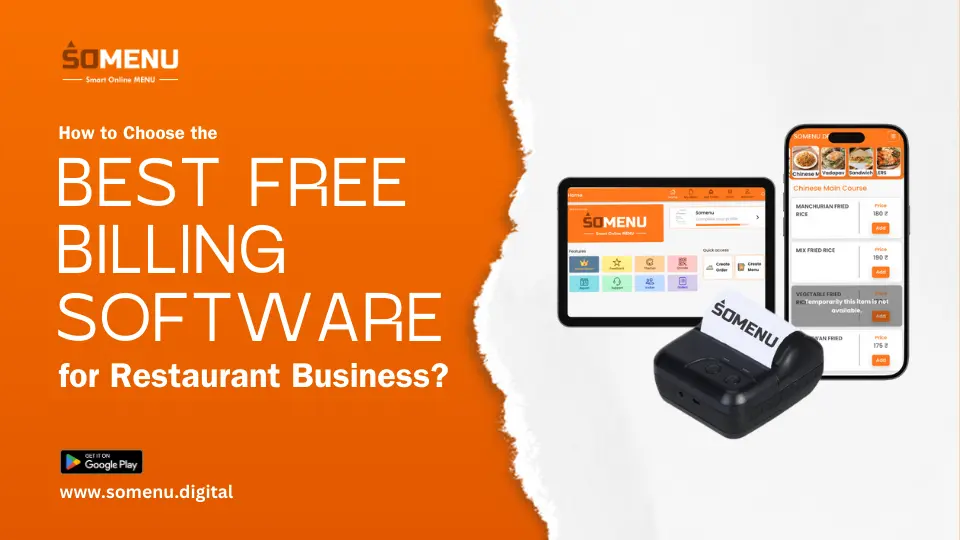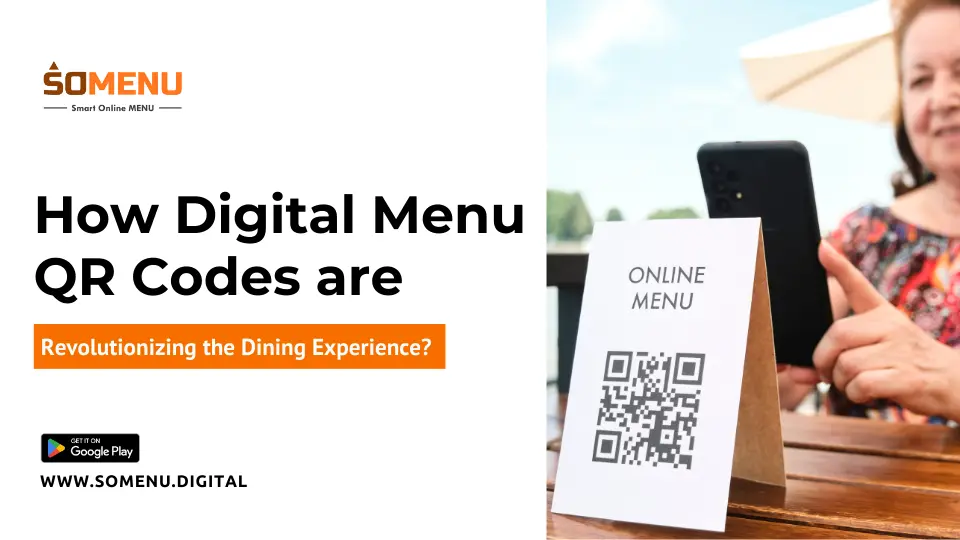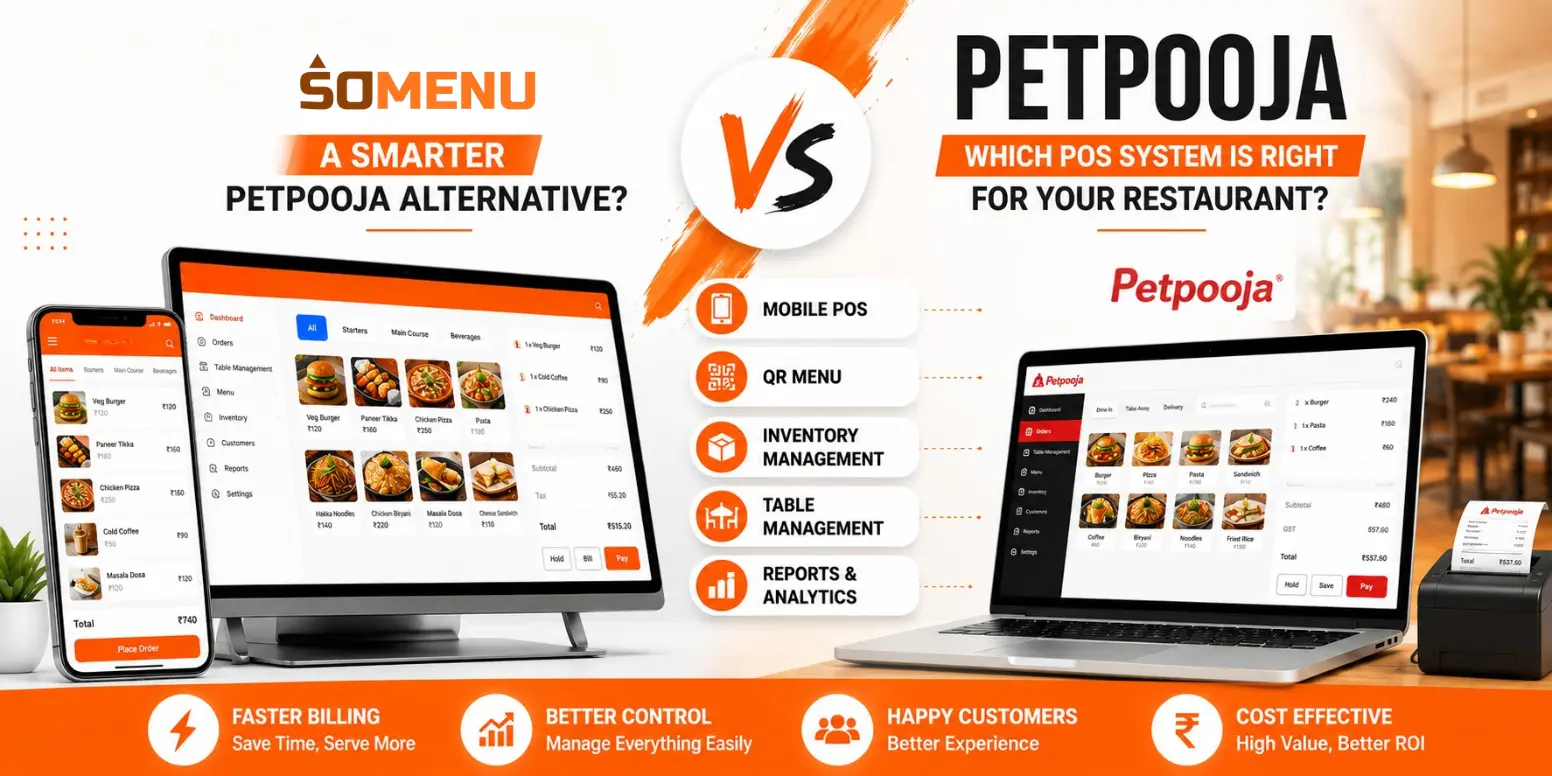
The transition from traditional Restaurant menu to digital menus has brought about a substantial transformation in the restaurant business in recent years. This shift has resulted in a more contemporary and effective dining experience and has been fueled by both technical improvements and changing consumer expectations.
Traditional Restaurant menu: limitations and challenges.
For decades, paper menus have been the norm at restaurants. They provide a tactile, tangible means for clients to evaluate offered foods and make their choices. However, paper menus have significant limitations:
Inflexibility: If you use a paper menu that has only been printed once, you cannot update any of the menu's static elements. Any changes, such as new dishes, pricing adjustments, or special promotions, necessitate reprinting, which can be expensive and time-consuming.
Maintenance: Paper menus can wear out rapidly with repeated use. Spills, tears, and general wear and tear demand frequent replacement, which raises the overall cost.
Limited Space: Due to space constraints, paper menus often provide only basic descriptions of dishes, lacking detailed information on ingredients, nutritional content, or allergen information.
Why Digital Menu for Restaurant?
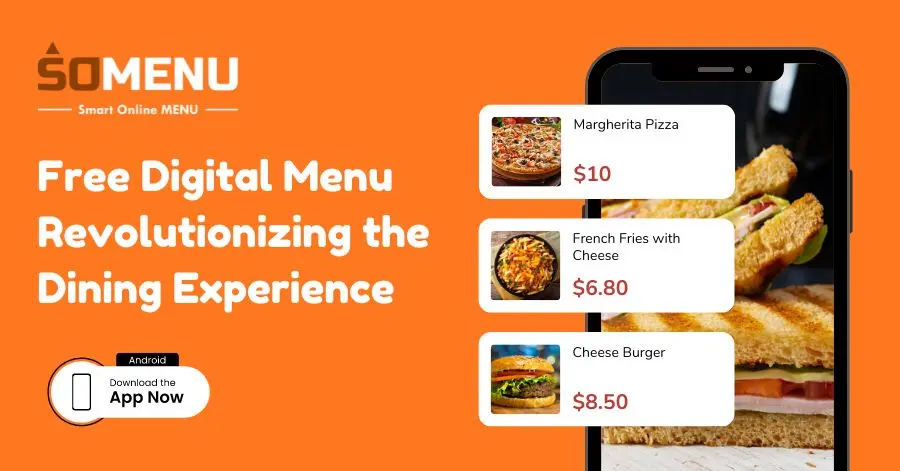
Digital menu have emerged as a versatile and dynamic alternative to traditional paper menus. Leveraging various technologies such as tablets, digital screens, and QR codes, digital menu offer several advantages that address the shortcomings of their paper counterparts.
- Technological Advancements: The widespread availability of affordable tablets, digital signage, and mobile devices has made it easier for restaurants to adopt digital menus. These technologies allow for interactive displays, high-quality images, and even videos of dishes, enhancing the customer’s decision-making process.
- Changing Consumer Expectations: Modern diners, especially younger generations, prefer the convenience and interactivity of digital menus. They expect detailed information about dishes, including ingredients, nutritional content, and allergen information, which digital menus can easily provide.
Benefits of Digital Menu
- Easy Updates: Digital menus can be updated in real-time, allowing restaurants to quickly reflect changes in the menu, prices, or special promotions without the need for reprinting.
- Enhanced Customer Experience: With high-quality images, videos, and interactive features, digital menus can provide a more engaging and informative dining experience.
- Cost-Effective: Over time, digital menus can reduce costs associated with printing and replacing paper menus.
Sustainability: By reducing the need for paper, digital menus contribute to more sustainable business practices.
Benefits of Digital menu for Restaurant
Digital menu offer a multiple of advantages for restaurants, ranging from operational efficiencies to enhanced customer experiences. Let’s check out the key benefits:
Enhanced Customer Experience
Digital menu transform the way customers interact with a restaurant's offerings. By incorporating high-quality images, detailed descriptions, and even videos, Digital menu provide a more immersive and engaging experience. This can help customers make more informed decisions, as they can see exactly what a dish looks like and read about its ingredients, preparation methods, and nutritional information. Additionally, interactive features like zoom-in capabilities, customer reviews, and suggested pairings can further enrich the dining experience.
Increased Operational Efficiency
One of the most significant advantages of Digital menu is the ability to update menu items, prices, and specials in real-time. This eliminates the need for reprinting paper menus whenever a change occurs, saving time and reducing costs. Restaurants can quickly respond to supply changes, introduce seasonal dishes, or adjust prices without any delay. This flexibility also extends to displaying out-of-stock items, preventing customer disappointment.
Cost Savings
Digital menu technology can be long-term cost savings. Restaurants no longer need to print and reprint menus, which reduces paper and printing expenses. Moreover, Digital menu reduce labour costs associated with updating physical menus and communicating changes to staff.
Upselling Opportunities
Digital menu can be programmed to highlight certain dishes, promotions, or add-ons, which can effectively encourage customers to order more. For example, suggesting popular appetisers, desserts, or drink pairings can increase the average order value. The visual appeal of digital displays, combined with strategic placement of high-margin items, can subtly guide customer choices and boost sales.
Customization and Personalization
Digital menu can offer a personalised experience for customers. For instance, they can be tailored to show different menu options based on the time of day, special events, or even customer preferences. Some systems can remember past orders and suggest similar items, making the dining experience feel more customised and attentive.
Integration with Other Technologies
Digital menu can seamlessly integrate with a restaurant's existing technologies, such as point-of-sale (POS) systems, kitchen display systems, and inventory management software. This integration streamlines the ordering process, reduces the likelihood of errors, and improves overall efficiency. For example, once an order is placed through a digital menu, it can be automatically sent to the kitchen, reducing wait times and enhancing the flow of operations.
Environmental Benefits
Digital menu contribute to a restaurant's sustainability efforts by reducing need for printed menus. This not only helps in reducing paper waste but also aligns with the growing consumer preference for environmentally friendly practices. Additionally, the ability to display information about sustainable sourcing or eco-friendly practices directly on the digital menu can appeal to environmentally conscious customers.
Data Collection and Analytics
Digital menu can collect valuable data on customer behaviour, such as popular dishes, peak ordering times, and average spending per customer. This data can be analysed to gain insights into customer preferences and trends, allowing restaurants to optimise their menu offerings and marketing strategies. For example, data analysis might reveal that certain dishes are more popular on weekends, prompting the restaurant to promote them more aggressively during that time.
Improved Accessibility
Digital menu can be designed to accommodate various accessibility needs. For instance, they can include options for larger text, multiple languages, and even audio descriptions for visually impaired customers. This ensures that all customers have a comfortable and inclusive dining experience.
Health and Safety Considerations
In the wake of health concerns, especially during events like the COVID-19 pandemic, Digital menu offer a contactless solution. Customers can access menus on their own devices via QR codes, minimising physical contact and enhancing safety. This can be particularly appealing to health-conscious diners and can contribute to a restaurant's overall hygiene measures.
Personalization and Customization
Personalization and customization are two key features of Digital menu that significantly enhance the dining experience by catering to individual customer preferences and needs. These features allow restaurants to create a more engaging, satisfying, and convenient experience for their guests.
Tailored Recommendations
By utilising data from past orders, Digital menu can suggest dishes that align with a customer's tastes. For example, if a customer frequently orders vegetarian dishes, the digital menu can prioritise showing vegetarian options or highlight new vegetarian dishes.
Additionally, Digital menu can integrate with loyalty programs, allowing returning customers to receive personalised greetings and recommendations. This level of personalization helps build a stronger connection between the customer and the restaurant, fostering loyalty and encouraging repeat visits.
Customization of Orders
Digital menu offer customers the ability to customise their orders with ease. Unlike traditional menus, where modifications must be communicated verbally to a server, Digital menu provide clear options for customization directly on the screen. This can include:
- Ingredient Choices: Customers can select or deselect specific ingredients, catering to their dietary preferences or allergies. For instance, a customer can easily remove onions from a salad or choose a gluten-free option.
- Portion Sizes: Digital menu can offer various portion sizes, allowing customers to choose between small, regular, or large portions, depending on their appetite or dietary goals.
- Cooking Preferences: For dishes like steaks or burgers, customers can specify how they would like their food cooked, such as rare, medium, or well-done.
- Add-Ons and Extras: Customers can opt to add extra toppings, sides, or condiments. For example, a customer ordering a burger can add extra cheese, bacon, or special sauces.
This level of customization ensures that each customer can tailor their meal exactly to their liking, resulting in a more satisfying dining experience. It also helps restaurants reduce the likelihood of order errors, as the customization options are clearly presented and recorded.
Personalized Promotions and Offers
Digital menu can also be used to deliver personalised promotions and offers to customers. By analysing customer data, restaurants can identify specific preferences and purchase patterns, then use this information to present targeted discounts or special deals. For example, a customer who often orders a particular dessert might receive a special offer on that item.
Moreover, Digital menu can adjust their content based on time of day, season, or special occasions. For instance, during a holiday season, the menu can highlight seasonal specials or exclusive holiday-themed dishes. This dynamic approach not only enhances the dining experience but also helps restaurants optimise sales by promoting relevant items.
Multilingual Support
For restaurants in diverse, multicultural areas, Digital menu can offer multilingual support, making it easier for non-native speakers to navigate the menu and make informed choices. This feature can greatly improve the dining experience for tourists and international customers, making them feel more comfortable and welcomed.
Dietary Preferences and Allergen Information
Digital menu can provide detailed information about the ingredients and nutritional content of each dish, helping customers make informed decisions based on their dietary needs. They can filter menu items to show only gluten-free, vegetarian, vegan, or keto-friendly options, for example. Additionally, Digital menu can highlight potential allergens, allowing customers to avoid dishes that contain ingredients they are allergic to.
Dynamic Menu Content
The content of Digital menu can be dynamically adjusted based on various factors such as time of day (breakfast, lunch, dinner), special events, or the day's weather. For instance, on a cold day, a digital menu might emphasise warm, comforting dishes like soups and stews, while on a hot day, it could promote refreshing beverages and salads.
Interactive Features
Some Digital menu incorporate interactive features, such as the ability to rate dishes, leave feedback, or even play games while waiting for the order. This interactivity not only engages customers but also provides valuable feedback to the restaurant about popular items and customer satisfaction.
Integration with Other Technologies
Integration with other technologies is a significant advantage of Digital menu, enabling restaurants to streamline operations, enhance the customer experience, and optimize management processes. By connecting Digital menu with various systems and tools, restaurants can create a seamless and efficient workflow. Here's a detailed look at how Digital menu can integrate with other technologies:
Integration with Point-of-Sale (POS) Systems
Seamless Order Processing
Digital menu can be directly linked to the restaurant's POS system, allowing orders to be automatically transmitted from the customer's device or table to the kitchen. This reduces the risk of human error that can occur when orders are manually entered by servers. The integration ensures that all special requests and modifications are accurately captured and communicated.
Real-Time Me₹nu Updates
When inventory levels change, the POS system can update the digital menu in real-time. For example, if a particular dish sells out, the system can automatically remove it from the menu or mark it as unavailable. This prevents customers from ordering items that are not in stock, improving customer satisfaction and reducing disappointment.
Data Synchronisation
The integration allows for the synchronisation of sales data between the POS and digital menu systems. This data can include sales figures, most popular items, and customer preferences. This information can be used for inventory management, financial reporting, and marketing strategies.
Kitchen Display Systems (KDS)
Efficient Kitchen Operations
When Digital menu are integrated with Kitchen Display Systems, orders are sent directly to digital screens in the kitchen. This setup eliminates the need for printed order tickets and reduces the chances of lost or misread orders. The KDS can also prioritise orders based on preparation time and course sequence, helping the kitchen staff manage workflow more efficiently.
Order Tracking and Communication
Kitchen staff can update the status of an order on the KDS, providing real-time feedback to servers and, in some cases, directly to customers. This communication helps coordinate front-of-house and back-of-house activities, ensuring that orders are delivered accurately and promptly.
Customer Relationship Management (CRM) Systems
Personalized Marketing
By integrating Digital menu with CRM systems, restaurants can collect and analyse customer data, such as dining preferences, frequency of visits, and favourite dishes. This information can be used to tailor marketing campaigns, offer personalised promotions, and enhance customer loyalty programs.
Guest Profiles
Restaurants can create detailed guest profiles, which can include information about dietary restrictions, past orders, and special occasions (e.g., birthdays). This enables staff to provide a more personalised dining experience, making customers feel valued and understood.
Convenient Payment Options
Digital menu can integrate with mobile payment systems, allowing customers to pay directly from their smartphones or tablets. This can include options like credit/debit card payments, mobile wallets (e.g., Apple Pay, Google Wallet), and even cryptocurrency in some cases. The convenience of contactless payment enhances the customer experience and speeds up the checkout process.
Split Bills and Tipping
Integration with payment systems also allows for easy splitting of bills among multiple diners and the inclusion of gratuities. This feature can simplify the payment process for groups and ensure that tips are accurately calculated and distributed.
Reservation and Waitlist Management Systems
Streamlined Reservations
Digital menu can be linked with reservation systems, allowing customers to book tables directly from the menu interface. This integration can also provide real-time updates on table availability, estimated wait times, and even virtual waitlists, where customers can receive notifications when their table is ready.
Enhanced Customer Service
Reservation data can be used to prepare for special requests in advance, such as setting up high chairs for families or arranging tables for large groups. This proactive approach improves customer satisfaction and helps manage the dining room more effectively.
Loyalty and Rewards Programs
Integrated Loyalty Points
Digital menu can integrate with loyalty and rewards programs, allowing customers to earn points or rewards directly through their orders. Customers can track their points, view available rewards, and redeem them through the digital menu interface, providing a seamless loyalty experience.
Targeted Offers
Based on loyalty program data, restaurants can offer personalised discounts or exclusive offers to frequent customers, encouraging repeat business and building long-term customer loyalty.
Digital Marketing and Social Media
Promotions and Social Sharing
Digital menu can feature special promotions, limited-time offers, and seasonal menus. Integration with social media platforms allows customers to share their dining experiences, dishes they enjoyed, or even leave reviews directly through the digital menu. This social sharing can help increase the restaurant's visibility and attract new customers.
Challenges and Considerations
With numerous benefits of a digital menu, it also comes with certain challenges and considerations. Restaurants need to be aware of these potential issues to ensure a smooth transition and successful integration. Here’s a detailed exploration of some key challenges and considerations:
Initial Investment and Ongoing Costs
Upfront Costs
Implementing Digital menu requires an initial investment in hardware and software. This can include tablets, digital screens, mounting equipment, and possibly new POS systems compatible with Digital menu. The cost of these devices can vary widely depending on the quality, brand, and specific features required.
Maintenance and Upgrades
Beyond the initial purchase, restaurants must consider ongoing maintenance costs. This includes regular software updates, hardware repairs or replacements, and possibly a subscription fee for the digital menu software platform. Additionally, as technology evolves, restaurants may need to invest in newer hardware to keep up with advancements and customer expectations.
Technical Issues and Downtime
System Reliability
Digital menu rely on technology, which means they are susceptible to technical issues such as software glitches, hardware failures, and network outages. These issues can disrupt service, causing delays and potentially frustrating customers. Ensuring a reliable and stable system is crucial to minimise downtime.
Backup Plans
Restaurants need to have contingency plans in place for situations where digital systems fail. This might include having a limited number of printed menus available or using mobile devices as a backup for taking orders. Staff training on these backup methods is essential to ensure seamless service in case of technical difficulties.
Staff Training and Adaptation
Learning Curve
Introducing Digital menu requires training staff on how to use new systems, manage updates, and troubleshoot common issues. There may be a learning curve, especially for employees who are less familiar with technology. Comprehensive training programs and ongoing support are necessary to help staff adapt and become proficient in using Digital menu.
Change Management
Transitioning from traditional menus to Digital menu can be a significant change for both staff and customers. Effective communication about the benefits and new procedures is important to manage expectations and ensure a smooth transition. Some staff members may resist the change, so addressing concerns and providing support is crucial.
Customer Acceptance and Accessibility
Digital Literacy
Not all customers may be comfortable using Digital menu, particularly older adults or those unfamiliar with technology. Restaurants need to consider the digital literacy of their customer base and ensure that Digital menu are user-friendly and intuitive.
Accessibility
Digital menu must be accessible to all customers, including those with disabilities. This includes providing options for larger text, high-contrast displays, and compatibility with screen readers for visually impaired customers. Ensuring compliance with accessibility standards and regulations is crucial to providing an inclusive dining experience.
Data Security and Privacy
Protecting Customer Data
Digital menu often collect customer data, such as order history and payment information. It is vital for restaurants to implement robust security measures to protect this data from breaches or unauthorised access. This includes using encrypted connections, secure payment gateways, and regularly updating security protocols.
Compliance with Regulations
Restaurants must comply with data protection regulations, such as the General Data Protection Regulation (GDPR) in the European Union or the California Consumer Privacy Act (CCPA) in the United States. This includes being transparent about data collection practices, obtaining customer consent, and providing options for data deletion or modification.
Keeping Content Fresh and Relevant
Regular Updates
To maintain customer interest and ensure accuracy, Digital menu need to be regularly updated with current menu items, prices, and promotions. This requires a dedicated effort to manage content, especially for restaurants with frequently changing menus or seasonal offerings.
Design and Usability
The design and layout of Digital menu significantly impact the customer experience. Menus must be visually appealing, easy to navigate, and optimised for various devices.
Cultural and Demographic Considerations
Cultural Sensitivity
Restaurants should consider cultural and demographic factors when designing Digital menu. This includes offering multilingual support in areas with diverse populations and being mindful of cultural preferences or dietary restrictions.
Market Adaptation
The adoption rate and acceptance of Digital menu can vary depending on the market and region. Restaurants need to assess local customer preferences and technology adoption levels to determine the best approach for implementing Digital menu.
FAQs
What are digital menus?
Digital menus are electronic versions of traditional paper menus, displayed on devices such as tablets, digital screens, or accessed via QR codes on smartphones.
How do digital menus benefit restaurants?
Digital menus offer several benefits, including easy updates, enhanced customer experience, cost savings, and sustainability. They allow for real-time changes and provide detailed information about dishes.
Are digital menus expensive to implement?
While there may be an initial investment in technology, digital menus can save money in the long run by reducing printing costs and minimizing the need for frequent replacements.
Can digital menus be customized?
Yes, digital menus can be easily customized to reflect changes in the menu, prices, or special promotions. They can also include high-quality images, videos, and interactive features to enhance the dining experience.
How do customers access digital menus?
Customers can access digital menus through various means, such as tablets provided by the restaurant, digital screens, or by scanning QR codes with their smartphones.