
In the restaurant industry, a reliable POS system is crucial. Poor-quality systems can incur hidden costs that hurt customer satisfaction and overall profits.
Table of Contents
- The Ripple Effects of Poor Quality POS Systems
- Enhancing Customer Experience with Digital Menus
- How to Create a Digital Menu for Free
- Engaging Customers with e-Menus
- Financial Implications of Choosing the Wrong System
- Free Billing Software for Restaurants
- FAQ
- Conclusion
The Ripple Effects of Poor Quality POS Systems
Enhancing Customer Experience with Digital Menus
To mitigate some of the challenges posed by a poor POS system, integrating a digital menu can be an effective solution. Digital menus streamline operations and improve customer interactions, enhancing overall A low-quality Point of Sale (POS) system can create a cascade of issues that significantly affect a restaurant's operations and customer satisfaction. For instance, slow transaction processing can lead to long wait times, which frustrates customers and drives them to competitors. In a landscape where every customer interaction counts, these lost sales opportunities can be detrimental.
Increased Training Time and Operational Inefficiencies
Investing in a high-quality POS system often translates to better usability, which can save valuable time and resources. Poorly designed systems require extensive training, forcing staff to spend hours learning how to navigate clunky interfaces instead of focusing on delivering excellent customer service. This can lead to operational inefficiencies, ultimately impacting the bottom line. The more time staff spends on training and troubleshooting, the less time they can devote to engaging customers and enhancing their dining experience.
Maintenance and Downtime Costs
A malfunctioning POS system can result in frequent breakdowns and costly downtime. During these periods, restaurants may need to revert to manual processes, which are not only inefficient but also increase the likelihood of errors. This downtime not only disrupts service but can also lead to frustrated customers who may leave without making a purchase. Additionally, the costs associated with ongoing maintenance, repairs, and potential replacements of a faulty system can quickly accumulate, eroding profit margins. dining experiences. Here are some specific benefits of adopting a digital menu:
Enhancing Customer Experience with Digital Menus
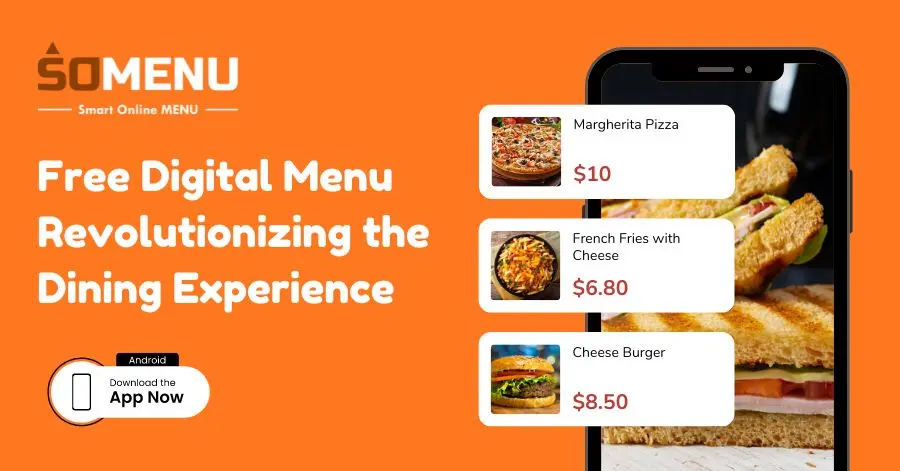
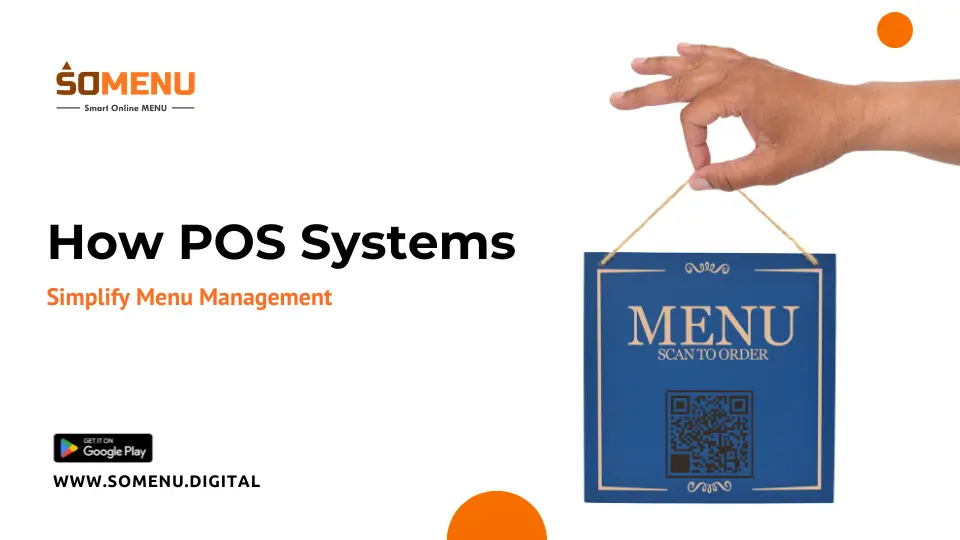
To mitigate some of the challenges posed by a poor POS system, integrating a digital menu can be an effective solution. Digital menus streamline operations and improve customer interactions, enhancing overall dining experiences. Here are some specific benefits of adopting a digital menu:
Improved Efficiency:
Digital menus enable quicker updates and changes, allowing restaurants to adjust prices or add new items with minimal effort. This flexibility can be particularly advantageous during peak times when demand is high.
Reduced Errors:
With a digital menu, customers can directly input their orders, reducing the risk of miscommunication between staff and patrons. This can significantly lower the chances of inaccurate orders, improving overall customer satisfaction.
Engaging Visuals
A well-designed digital menu can be visually appealing and informative, incorporating enticing images and detailed descriptions that can entice customers and encourage upselling.
How to Create a Digital Menu for Free
Creating a digital menu for your restaurant can be straightforward and cost-effective. Here’s a simple guide to getting started:
Choosing a Template: Start with a digital menu template that aligns with your restaurant’s brand aesthetics. Numerous online resources offer free and customizable templates.
Using a Digital Menu App: Leverage a digital menu app that includes features such as QR code integration, making it easy for customers to access your menu on their devices.
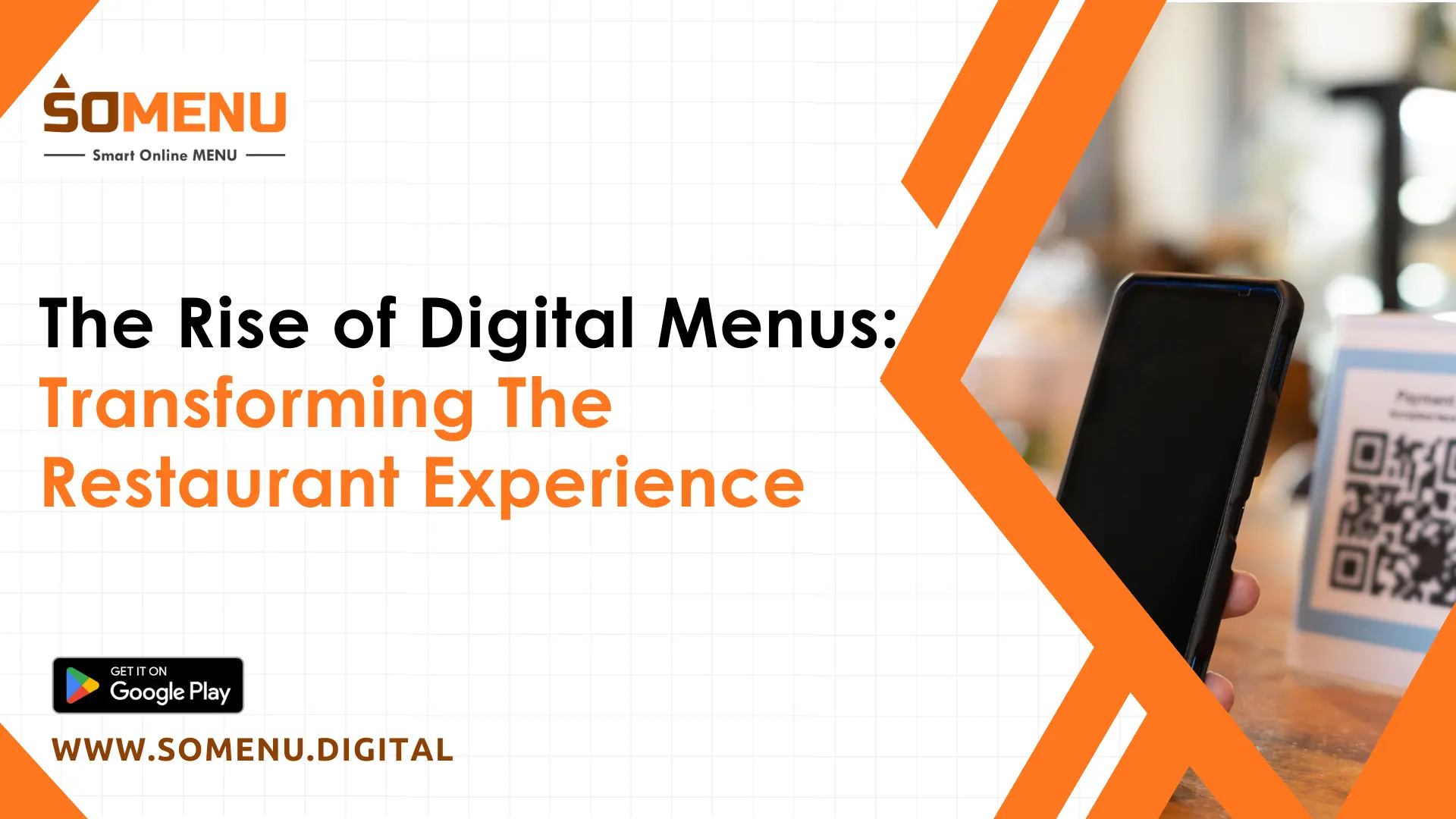
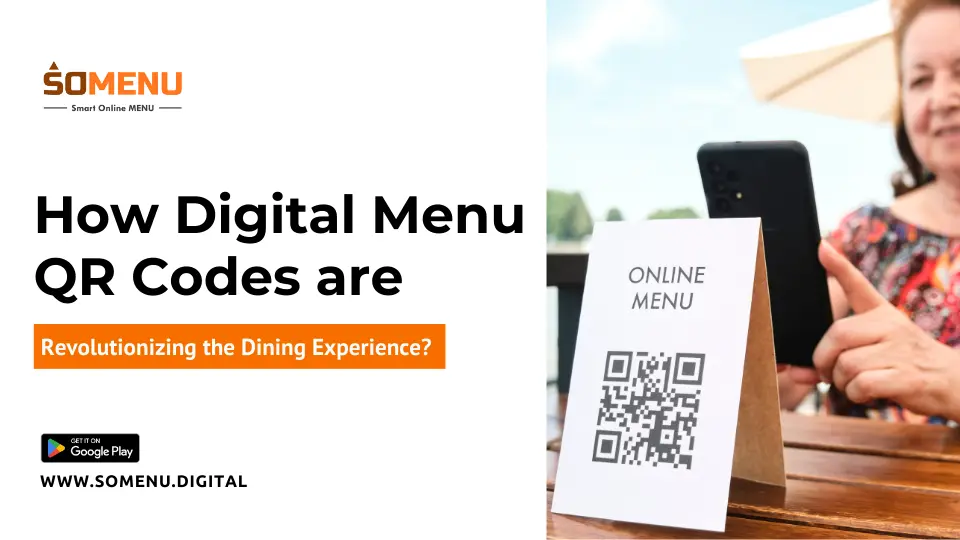
Creating QR Code Menus for Free: Utilize online services that allow you to generate a digital menu QR code at no cost. This makes it simple for customers to view your menu directly on their smartphones.
Engaging Customers with e-Menus
For those looking to create a more dynamic offering, consider generating a menu link that customers can access for free. This link allows patrons to view the menu on their devices, enhancing convenience and their overall dining experience. Additionally, displaying a digital menu on a screen within your restaurant can capture customers’ attention and promote specials effectively.
Financial Implications of Choosing the Wrong System
While investing in a quality POS system may appear costly initially, the hidden expenses associated with subpar systems can be much greater. A reliable POS can integrate invoicing and billing seamlessly, ensuring smoother transactions and a better customer experience. For example, advanced restaurant invoice software can automate billing, reducing human error and speeding up the payment process.
Free Billing Software for Restaurants
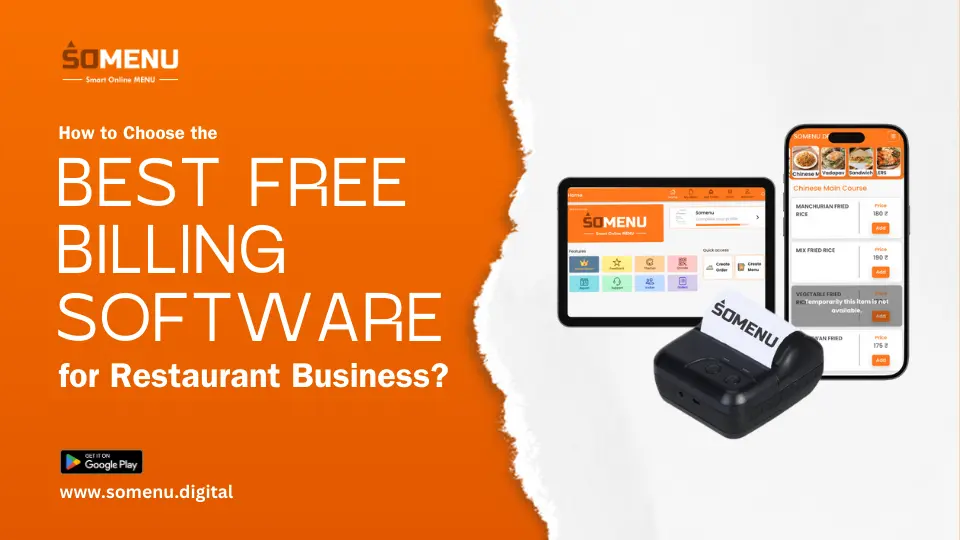
Good billing software should not be underestimated. Utilizing free billing software for restaurants can streamline financial operations, enhance efficiency, and minimize the likelihood of discrepancies. This improvement in operational processes can build customer trust and loyalty, critical components in today’s competitive market.
FAQ
1. Why is a reliable POS system important for restaurants?
A reliable POS system is crucial for efficient operations, quick transaction processing, and overall customer satisfaction. Poor systems can lead to long wait times, operational inefficiencies, and lost sales.
2. What are the consequences of using a low-quality POS system?
Consequences include slow transaction times, increased staff training needs, maintenance and downtime costs, and a negative impact on customer satisfaction and profitability.
3. How can poor POS systems affect staff training?
Low-quality systems often have complex interfaces that require extensive training, diverting staff attention from customer service and leading to operational inefficiencies.
4. What are the hidden costs associated with malfunctioning POS systems?
Hidden costs can include repair expenses, lost sales due to downtime, and the inefficiencies of reverting to manual processes, all of which can erode profit margins.
5. How can digital menus enhance customer experience?
Digital menus improve efficiency by allowing quick updates, reduce order errors by letting customers input their orders directly, and engage customers with appealing visuals.
Conclusion
While opting for a low-quality POS system may seem like a cost-saving strategy in the short term, the hidden costs can quickly accumulate, impacting your restaurant’s operational efficiency and reputation. By investing in a reliable POS solution and complementing it with a well-designed digital menu, restaurants can enhance both operational performance and customer satisfaction. Prioritize quality in your technology investments to ensure long-term success and create a memorable dining experience for your customers. Don't let hidden costs catch you off guard; make informed decisions that will benefit your restaurant in the long run.