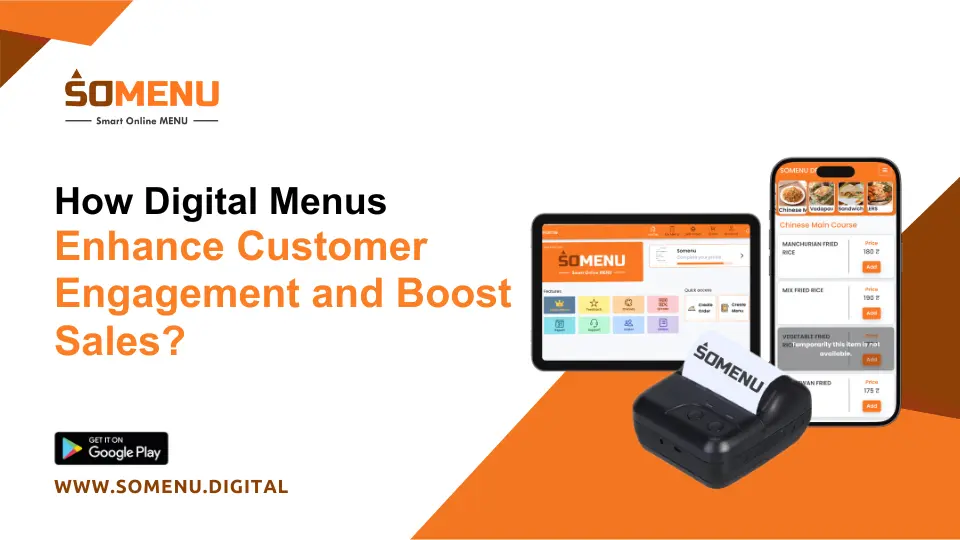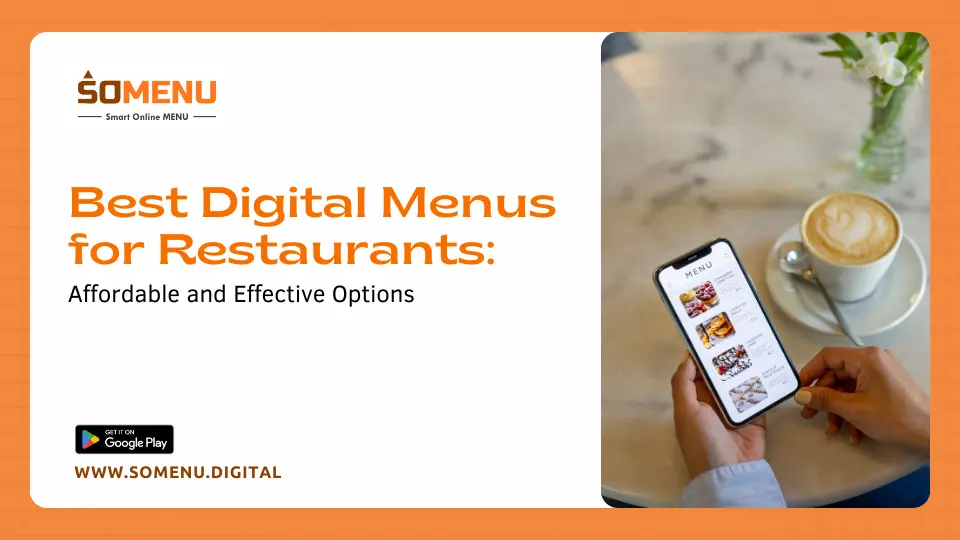

Transform your restaurant with a digital menu that enhances customer engagement and streamlines ordering. Discover the benefits, features, and best practices for implementing a digital menu to boost sales and improve operational efficiency. Upgrade your restaurant today!
The restaurant industry has always been dynamic, constantly adapting to new trends and technologies to enhance customer experience and streamline operations. One of the latest innovations that has gained significant traction is the adoption of digital menus.
Unlike traditional paper menus, digital menus offer a versatile and interactive way for restaurants to showcase their offerings. They provide a range of benefits, from improving the dining experience to optimizing business operations. In this blog, we will explore the key reasons why your restaurant needs a digital menu and offer best practices for implementing them effectively.
Digital Menu Key Features
A digital menu is an electronic version of a restaurant's traditional paper menu, displayed on digital devices such as tablets, screens, or smartphones. It provides a dynamic and interactive way for customers to view menu items, including food and drink options, along with descriptions, images, prices, and other relevant information.
Key Features of Digital Menu:
- Visual and Interactive Content: Digital menu often include high-quality images and videos of menu items, which can help entice customers and give them a better idea of what they are ordering.
- Real-Time Updates: Unlike printed menus, digital menu can be updated instantly to reflect changes in availability, pricing, or special offers. This flexibility is particularly useful for daily specials, seasonal items, or temporary menu changes.
- Customization and Personalization: Digital menu can offer filters or sorting options based on dietary preferences, such as vegan, gluten-free, or keto-friendly items. Some systems can also provide personalized recommendations based on previous orders or customer preferences.
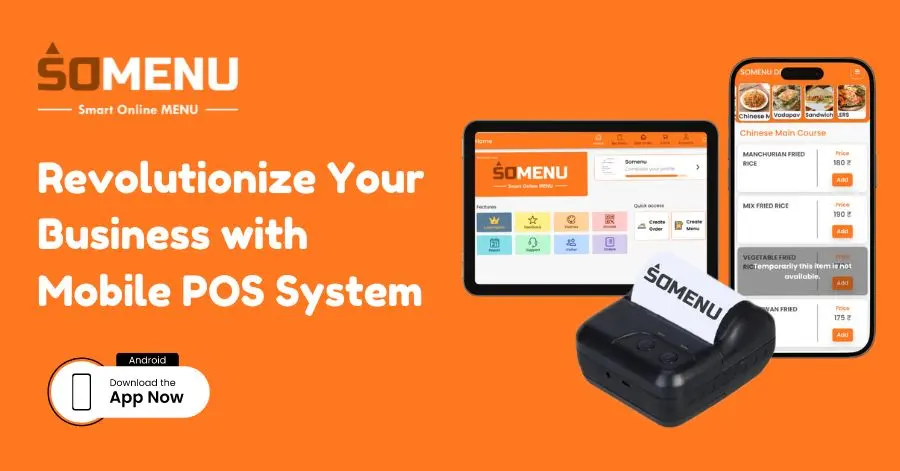
- Integration with Other Systems: Digital menus can be integrated with a restaurant's point-of-sale (POS) system, kitchen display systems, and inventory management software. This integration helps streamline the ordering process, improve accuracy, and manage inventory efficiently.
- Interactive Ordering and Payment: Some digital menu systems allow customers to place orders and pay directly through the menu interface, reducing wait times and minimizing contact with staff.
- Accessibility and Multilingual Support: Digital menu can be easily adapted to include accessibility features such as larger text, high-contrast displays, and compatibility with screen readers. They can also offer multilingual options, making it easier for non-native speakers to navigate the menu.
- Analytics and Data Collection: Digital menu can track customer behavior and preferences, providing valuable data insights for restaurants. This information can be used to optimize menu offerings, marketing strategies, and overall customer experience.
Types of Digital Menu:
- Tablet Menu: You can place a tablet menu at each table or hand it to customers for browsing and ordering.
- Digital Signage: Large digital screens display the menu, often used in fast-food restaurants or cafes.
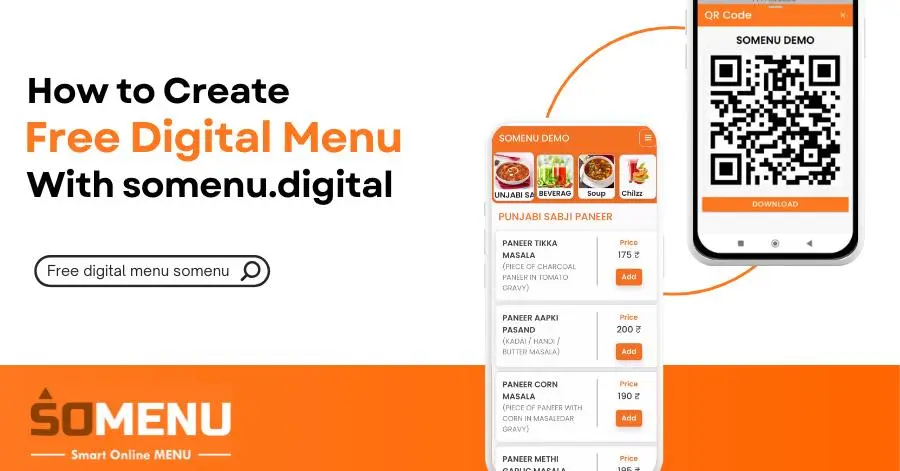
- QR Code Menu: Customers scan a QR code with their smartphone to access the menu on their device, which has become increasingly popular for contactless service.
- Kiosk Menus: Self-service kiosks where customers can browse the menu, place orders, and make payments.
Benefits of Digital Menu
1. Enhanced Customer Experience
Digital menu transform the way customers interact with a restaurant's offerings. They allow for a visually rich and engaging presentation of dishes, complete with high-quality images, videos, and detailed descriptions. This not only makes the menu more appealing but also helps customers make informed decisions by providing information on ingredients, allergens, and nutritional content. Additionally, digital menu can easily accommodate special dietary needs, allowing customers to filter options based on preferences such as gluten-free, vegan, or keto-friendly choices.
2. Real-Time Updates and Flexibility
You can make real-time updates through the digital menu, these are the most significant advantages of digital menu. Whether you're running out of a particular dish or want to promote a daily special, digital menus can be updated instantly, ensuring that customers always have access to the most current information. This flexibility also allows for easy adjustments to pricing, seasonal items, or special promotions, eliminating the need for costly reprints of paper menus.
3. Cost Efficiency
Digital menus require an investment in hardware and software so they offer very long-term saving. It can save the cost of printing and reprinting menus. They also reduce the labor costs involved in updating and managing traditional menus. Moreover, the potential for increased sales through effective upselling and cross-selling features can further enhance revenue.
4. Upselling and Marketing Opportunities
Digital menu provide a powerful platform for upselling and cross-selling. Restaurants can strategically highlight high-margin items, add-ons, or combo deals to encourage customers to spend more. The visual appeal of digital menu, combined with tempting descriptions and images, can influence consumer choices and increase average order value. Additionally, digital menu can feature rotating banners or pop-ups to promote special events, loyalty programs, or limited-time offers.
5. Data Collection and Analytics
Digital menu offer valuable insights into customer preferences and behavior. By analyzing data such as popular menu items, peak ordering times, and customer demographics, restaurants can make data-driven decisions to optimize their offerings and operations. This information can also inform targeted marketing strategies, helping to personalize the customer experience and increase customer loyalty.
6. Environmental Sustainability
Switching to digital menu significantly reduces the use of paper, making it an environmentally friendly option. This aligns with the growing consumer preference for businesses that prioritize sustainability. By reducing waste and the carbon footprint associated with printing, digital menu contribute to a restaurant's green initiatives and appeal to eco-conscious customers.
Best Practices for Implementing Digital Menu
1. Design and User Experience
The design of a digital menu should be user-friendly and visually appealing. Use high-quality images and videos to showcase dishes, and organize the menu in a logical and intuitive manner. Ensure that the text is easy to read and that there are clear sections for appetizers, entrees, desserts, and beverages. Interactive features, such as clickable sections or filters, can enhance the user experience.
2. Integration with Restaurant Systems
For optimal efficiency, digital menu should be integrated with the restaurant's point-of-sale (POS) system, kitchen display systems, and inventory management software. This integration allows for seamless communication between the front and back of the house, reducing errors and improving order accuracy. It also helps manage inventory in real-time, minimizing food waste and optimizing stock levels.
3. Accessibility and Inclusivity
Ensure that digital me are accessible to all customers, including those with disabilities. This includes providing options for larger text sizes, high-contrast modes, and screen reader compatibility. Offering menus in multiple languages can also cater to a diverse customer base, enhancing inclusivity and customer satisfaction.
4. Regular Content Updates
Keep your digital menu content fresh and up-to-date. Regularly update images, descriptions, and pricing to reflect current offerings. Highlight seasonal items, new dishes, or chef specials to keep the menu exciting and engaging for repeat customers.
5. Staff Training
Properly train staff on how to use and troubleshoot the digital menu system. They should be familiar with its features and be able to assist customers in navigating the menu. Staff should also know how to update the menu content and manage any technical issues that may arise.
6. Customer Engagement and Feedback
Use digital menu as a tool for customer engagement. Incorporate features like customer reviews, ratings, or feedback forms to gather insights and improve the dining experience. Engaging with customers through the menu can also enhance their connection with the restaurant and encourage repeat visits.
Conclusion
Digital menus are a transformative tool for modern restaurants, offering numerous benefits that extend beyond traditional paper menus. They enhance the customer experience, streamline operations, and provide valuable data insights.
With Somenu create free digital menu for restaurants can leverage an easy-to-use platform to create visually appealing digital menus that are customizable and accessible. By following best practices for design, integration, and accessibility, restaurants can maximize the advantages of digital menus and stay competitive in an increasingly digital landscape.
Whether you're looking to improve efficiency, boost sales, or enhance your restaurant's sustainability, implementing a digital menu with Somenu is a smart and forward-thinking choice.