Category: Application
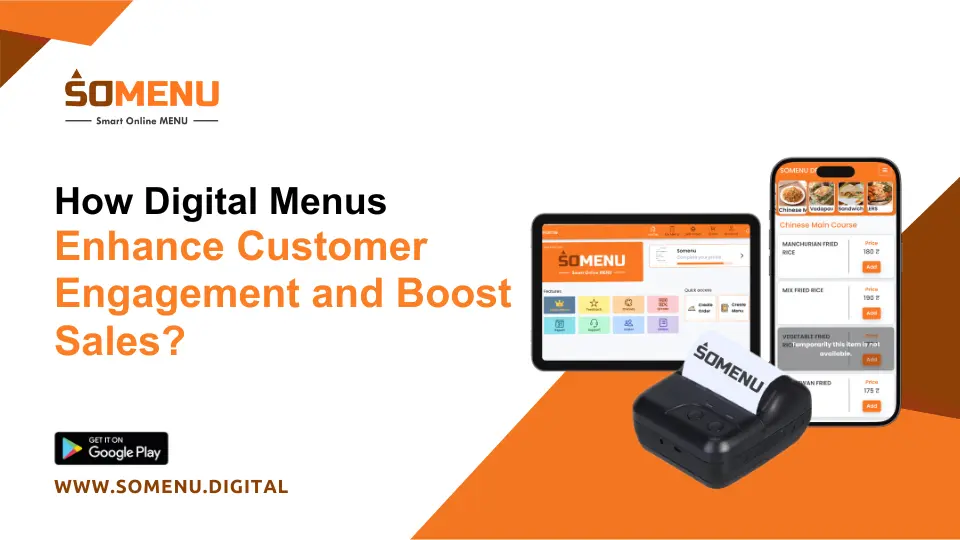
How Digital Menu enhance customer engagement & Boost Sales?

we'll explore how digital menus enhance customer engagement and boost sales, helping businesses stay competitive in an increasingly digital world.
In the fast-paced world of hospitality and retail, customer experience is a crucial factor that can make or break a business. One of the key components of a positive customer experience in restaurants, cafes, and even retail stores is the menu.
Traditionally, menus have been static, printed documents that present customers with available options. However, with the advent of digital technology, many businesses are making the shift to digital menus, which offer a wide range of benefits beyond just listing items.
Personalized Customer Experience
Digital menus allow for a level of personalization that static menus simply can't offer. By leveraging customer data and preferences, businesses can tailor the menu experience to individual customers, enhancing their overall experience.
How It Works:
- Dynamic Content: Digital menus can display different items based on the time of day, customer preferences, or previous orders. For example, a digital menu can highlight breakfast options in the morning and shift to lunch offerings later in the day.
- Personalized Recommendations: Using data analytics, digital menus can suggest items based on a customer's previous orders, dietary preferences, or popular choices. This can make the dining experience more personalized and enjoyable.
Impact:
- Increased Customer Satisfaction: Customers appreciate personalized experiences, which can lead to higher satisfaction and repeat business. If your customer is happy with you and trusts you, they are more likely to return.
- Higher Sales: Personalized recommendations can encourage customers to try new items or add extras to their order, leading to increased sales per transaction.
Interactive and Engaging Content
Unlike traditional menus, digital menus can be interactive, engaging customers in ways that static menus cannot. They can include high-quality images, videos, and detailed descriptions that entice customers to explore the menu further.
How It Works:
- Visual Appeal: Digital menus can showcase vibrant, mouth-watering images of dishes, making them more appealing to customers. Videos can demonstrate how dishes are prepared, adding an element of entertainment.
- Interactive Features: Customers can interact with the menu by tapping on items to see detailed descriptions, nutritional information, or ingredient lists. This level of interaction can help customers make informed decisions and feel more connected to the menu.
Impact:
- Enhanced Customer Engagement: The interactive nature of digital menus keeps customers engaged longer, increasing the likelihood of them exploring more options and making additional purchases.
- Improved Decision-Making: When customers have access to detailed information about each item, they are more likely to choose dishes that meet their tastes and dietary needs, leading to a better overall experience.
Real-Time Updates and Flexibility
One of the biggest advantages of digital menus is the ability to make real-time updates. With this flexibility you can adjust offerings quickly and efficiently without the need for reprinting or redistributing menus.
How It Works:
- Instant Menu Changes: The main benefits of having digital menus are you can update them instantly. You can add new items, special promotions, or sold-out dishes. So your customers always see the most accurate and up-to-date information.
- Seasonal and Event-Based Menus: Businesses can easily introduce seasonal menus, holiday specials, or event-specific offerings without the hassle of creating new physical menus. This keeps the menu fresh and relevant throughout the year.
Impact:
- Reduced Operational Costs: The ability to update menus digitally reduces the need for printing new menus every time there’s a change, saving time and money.
- Increased Sales Opportunities: By promoting new items or limited-time offers in real-time, businesses can drive sales of high-margin items or move inventory that needs to be sold quickly.
Enhanced Upselling Opportunities
Digital menus offer a powerful tool for upselling, helping businesses increase their average order value by encouraging customers to add extras or choose premium items.
How It Works:
- Automated Upsell Prompts: Digital menus can be programmed to suggest add-ons or upgrades when customers select an item. For example, when a customer orders a burger or sandwich, the menu might suggest adding fries/coke or upgrading to a combo meal.
- Visual Triggers: High-quality images of appetizers, desserts, and beverages can tempt customers to add these items to their order, especially when presented at key moments during the ordering process.
Impact:
- Higher Average Transaction Value: By effectively using upselling techniques, businesses can increase the amount customers spend per visit, boosting overall sales.
- Improved Profit Margins: Upselling often involves promoting high-margin items, which can significantly enhance a business’s profitability.
Streamlined Ordering Process
Digital menus can streamline the ordering process, making it faster and more efficient for both customers and staff. This not only improves the customer experience but also allows businesses to serve more customers in less time.
How It Works:
- Self-Ordering Kiosks: Many digital menus are integrated into self-ordering kiosks, allowing customers to place their orders directly without waiting for a server. This speeds up the ordering process and also reduces the likelihood of errors.
- Mobile Ordering Integration: Digital menus can be accessed via mobile devices, enabling customers to order from their phones while seated at a table or even before they arrive at the restaurant. This can reduce wait times and enhance convenience.
Impact:
- Faster Service: Streamlining the ordering process means customers spend less time waiting, leading to a better overall experience and increased table turnover.
- Reduced Labor Costs: With self-ordering kiosks and mobile ordering, businesses can reduce the number of staff needed to take orders, lowering labor costs while maintaining or even improving service quality.
Data-Driven Insights
Digital menus generate valuable data that can be used to gain insights into customer behavior, preferences, and trends. This data can inform business decisions and improve marketing strategies.
How It Works:
- Tracking Customer Preferences: Digital menus can track which items are most popular, what combinations are frequently ordered, and when customers are most likely to order certain dishes. This data helps businesses understand customer preferences in detail.
- Menu Performance Analysis: Businesses can analyze the performance of specific menu items, identifying best-sellers and underperformers. This information can be used to refine the menu, promote popular items, or reconsider those that aren’t selling well.
Impact:
- Improved Menu Optimization: By leveraging data insights, businesses can optimize their menus to better meet customer demands, increase sales, and reduce waste.
- Targeted Marketing: Data from digital menus can inform targeted marketing campaigns, such as promoting popular dishes on social media or offering discounts on slow-moving items, driving more traffic and sales.
Eco-Friendly and Cost-Effective Solution
When you compare digital menus to traditional printed menus, they are a more sustainable and cost-effective option. By reducing paper waste and printing costs, businesses can contribute to environmental sustainability while also saving money.
How It Works:
- Reduced Paper Usage: Digital menus eliminate the need for printing and reprinting menus, significantly reducing paper waste. This is especially important for businesses that frequently update their menus.
- Lower Long-Term Costs: While there may be an initial investment in digital menu systems, the long-term savings on printing, labor, and waste management can be substantial.
Impact:
- Positive Environmental Impact: By adopting digital menus, businesses can reduce their environmental footprint, appealing to eco-conscious customers and aligning with sustainable practices.
- Cost Savings: Over time, the cost savings from reduced printing and labor can outweigh the initial investment in digital menu technology, improving the bottom line.
Accessibility and Multilingual Support
Digital menus can be designed to be more accessible to a wider range of customers, including those with disabilities or language barriers. This inclusivity can enhance the customer experience and broaden your customer base.
How It Works:
- Accessibility Features: Digital menus can include features such as text-to-speech, adjustable font sizes, and high-contrast modes to make them more accessible to customers with visual impairments or other disabilities.
- Multilingual Options: Digital menus can easily offer multiple language options. It allows customers to select their preferred language with a simple tap. This is particularly beneficial in multicultural areas or tourist destinations.
Impact:
- Broader Customer Appeal: By making your menu accessible and multilingual, you can cater to a more diverse customer base, increasing customer satisfaction and expanding your market reach.
- Enhanced Customer Experience: Providing accessible and language-friendly menus ensures that all customers feel welcome and valued, leading to a more positive dining experience.
Enhanced Branding and Marketing Opportunities
Digital menus offer unique opportunities for branding and marketing that go beyond what traditional menus can achieve. They can be customized to reflect your brand’s identity and used to promote special offers, events, and more.
How It Works:
- Brand Customization: Digital menus can be fully customized with your brand’s colors, logos, and style, creating a cohesive brand experience for customers. They can also include branded animations or videos to make the menu more engaging.
- Promotional Space: Use digital menus to highlight daily specials, upcoming events, or seasonal promotions. This dynamic content can be updated regularly to keep customers informed and engaged.
Impact:
- Stronger Brand Identity: A well-designed digital menu reinforces your brand’s identity, making it more memorable to customers and differentiating you from competitors.
- Increased Promotional Reach: Digital menus provide a platform for promoting specials and events directly to customers at the point of decision-making, increasing the effectiveness of your marketing efforts.
Adaptability to Changing Trends and Technologies
With a constantly evolving digital landscape, digital menus offer the flexibility to adapt to new trends and technologies. Whether it’s integrating with new payment systems, incorporating AI, or adopting the latest in interactive technology, digital menus can keep your business at the forefront of innovation.
How It Works:
- Integration with New Technologies: Digital menus can be integrated with various technologies, such as mobile payment systems, AI-driven recommendations, and augmented reality (AR) experiences, keeping your business modern and competitive.
- Scalability: As your business grows or your offerings change, digital menus can easily scale and adapt, ensuring they always meet your needs without requiring a complete overhaul.
Impact:
- Future-Proofing: By embracing digital menus, your business can stay ahead of technological advancements and consumer expectations, ensuring long-term relevance and success.
- Continual Improvement: The adaptability of digital menus allows for continuous improvement and innovation, helping you meet changing customer needs and market trends effectively.
Conclusion: The Future of Dining is Digital
Digital menus are more than just a modern replacement for traditional paper menus—they are a powerful tool for enhancing customer engagement, improving operational efficiency, and driving sales. By offering personalized experiences, real-time updates, interactive content, and valuable data insights, digital menus can transform the way businesses operate and connect with their customers.
As technology continues to evolve, the role of digital menus in the hospitality and retail industries will only grow. For businesses looking to stay competitive and provide the best possible experience for their customers, investing in digital menus is not just a trend—it’s a strategic move towards a more dynamic, efficient, and customer-centric future.