Category: Application
Digital Menu: Transform Your Simple Menu to Digital Menus

Transform your restaurant's simple menu into a digital menu and revolutionize the dining experience. Learn how digital menus enhance convenience, efficiency, and customer satisfaction.
Introduction
In the ever-evolving landscape of the hospitality industry, staying ahead of the curve is crucial. One of the most significant advancements in recent years is the transition from traditional paper menus to digital menus. This shift not only modernizes the dining experience but also offers a plethora of benefits for both businesses and customers. In this comprehensive guide, we'll explore the world of digital menus, their advantages, and how to implement them effectively in your restaurant.
Table of Contents
| Heading | Subtopics |
|---|---|
| Introduction | Overview of digital menus |
| Understanding Digital Menus | Definition, Types, and Technology |
| Benefits of Digital Menus | Enhanced customer experience, Operational efficiency, Cost savings |
| Implementing Digital Menus | Steps to transition, Key considerations |
| Choosing the Right Digital Menu Software | Features to look for, Top providers |
| Customizing Your Digital Menu | Design tips, Branding, Menu structure |
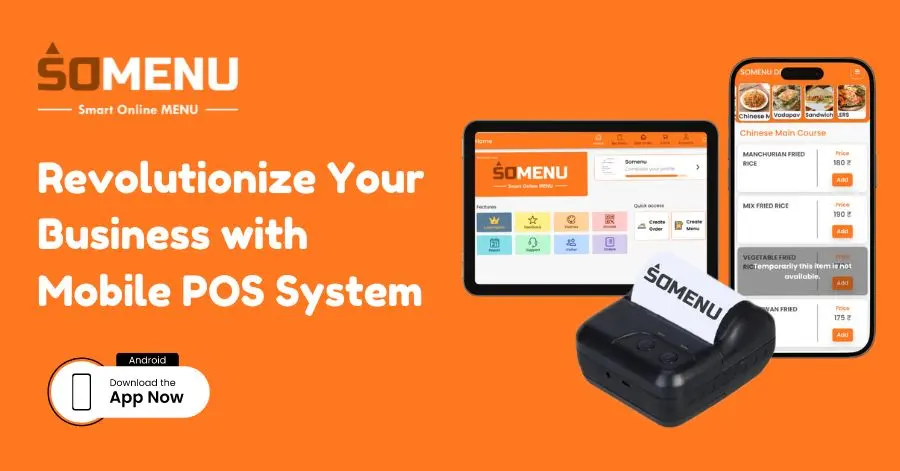
| Integrating Digital Menus with POS Systems | Seamless operations, Data synchronization |
| Enhancing Customer Interaction with Digital Menus | Interactive features, Feedback collection |
| Digital Menus for Different Types of Establishments | Restaurants, Cafes, Bars, Food trucks |
| Case Studies: Success Stories | Examples of businesses that transformed |
| Challenges and Solutions | Common issues, How to overcome them |
| Future Trends in Digital Menus | Emerging technologies, Industry predictions |
| Regulatory Considerations | Compliance, Accessibility standards |
| Marketing Your Digital Menu | Strategies to promote, Engaging customers |
| Training Staff for Digital Menus | Importance, Methods, Resources |
| Analyzing the Impact of Digital Menus | Metrics, Customer feedback, Business growth |
| Cost Analysis of Digital Menus | Initial investment, Long-term savings |
| Digital Menus and Customer Data | Collecting, Analyzing, Using insights |
| Security Concerns with Digital Menus | Protecting customer data, Best practices |
| FAQs about Digital Menus | Common questions and answers |
| Conclusion | Summary, Final thoughts |
Understanding Digital Menus
Definition, Types, and Technology
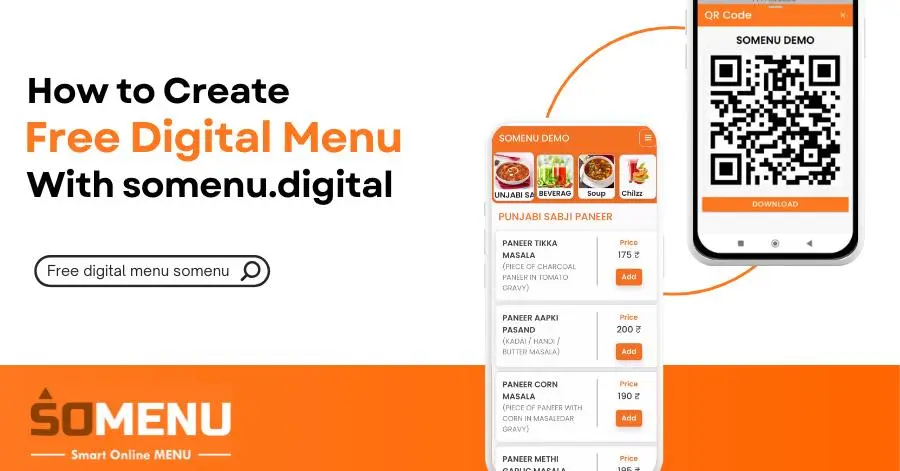
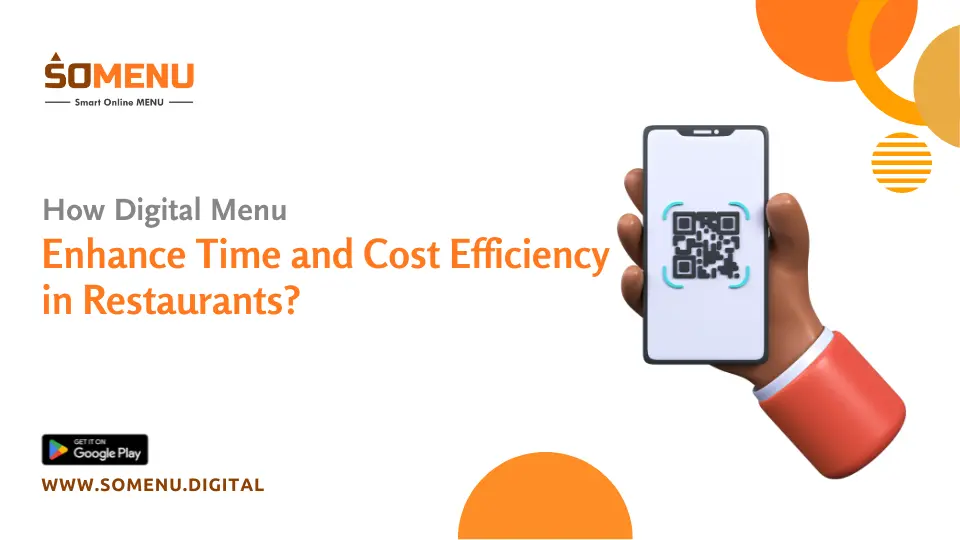
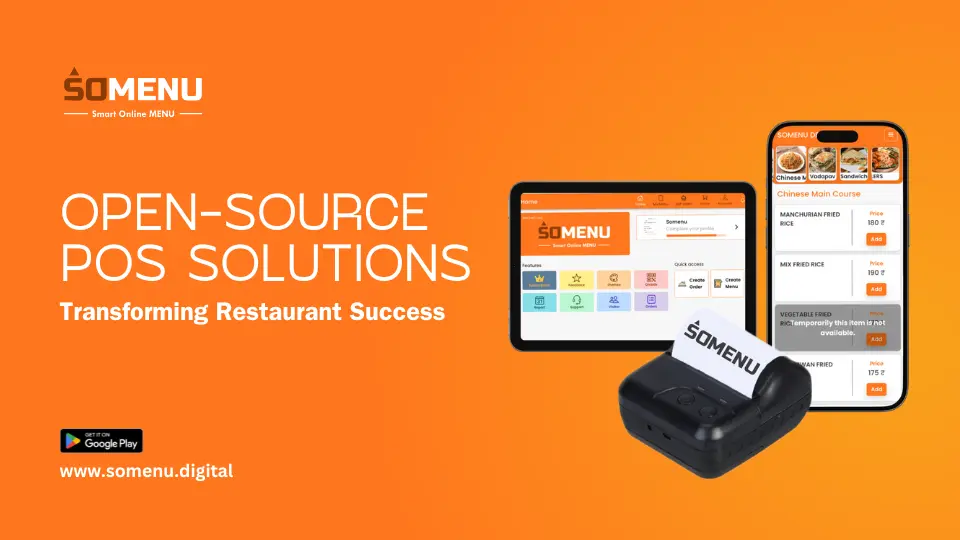
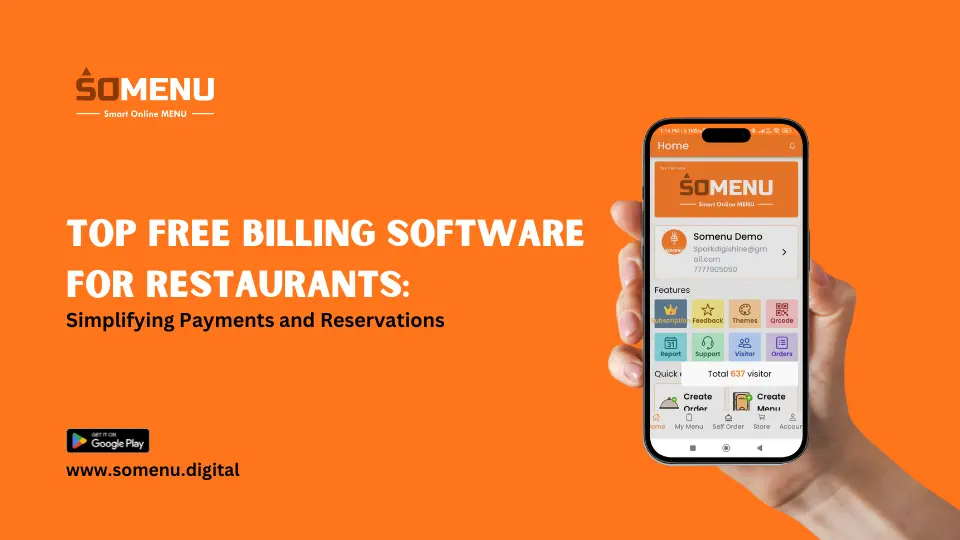
Digital menus are electronic versions of traditional menus, displayed on screens or accessible via smartphones and tablets. They can range from simple PDF versions of a paper menu to interactive, customizable displays integrated with a restaurant's point of sale (POS) system. The technology behind digital menus includes various software platforms and hardware options like tablets, digital signage, and QR code menus.
Benefits of Digital Menus
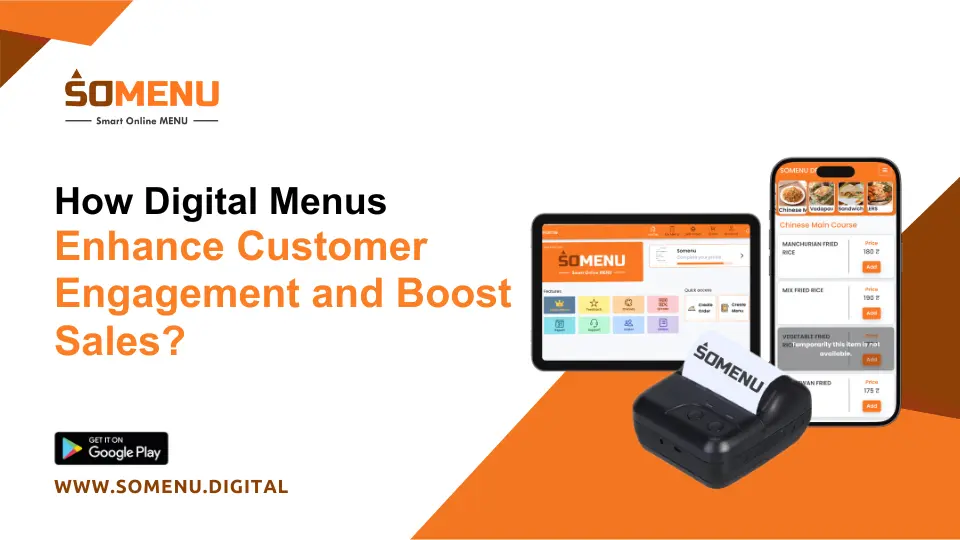
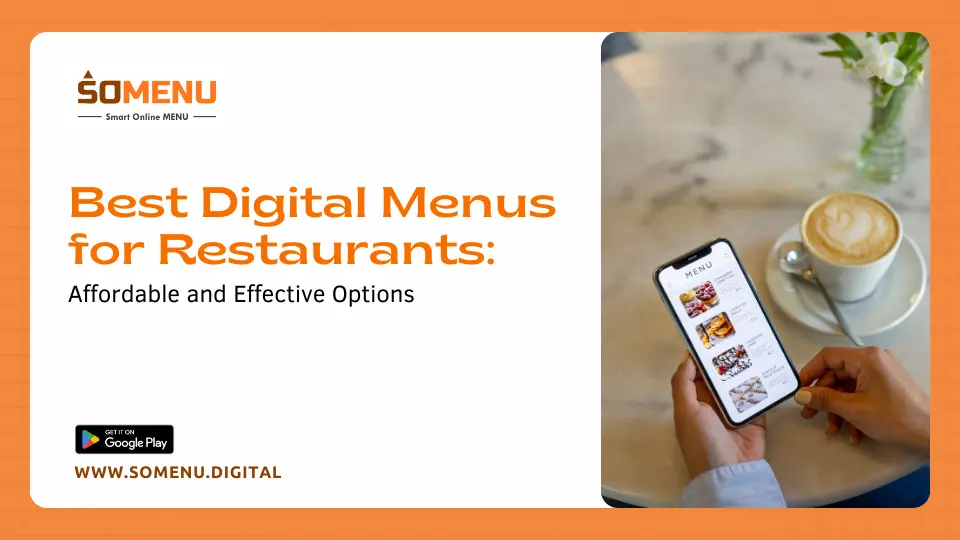
Enhanced Customer Experience Digital menus offer a visually appealing and engaging way to present food options. They can include images, videos, and detailed descriptions, helping customers make informed decisions. Additionally, features like customizable orders and allergy information can enhance the dining experience.
Operational Efficiency Digital menus streamline operations by reducing the need for physical menu printing and updates. Changes to the menu can be made instantly across all devices, ensuring consistency. Integration with POS systems facilitates real-time order processing and inventory management.
Cost Savings While the initial investment in digital menu technology can be significant, the long-term savings are considerable. There's no need for frequent reprinting of paper menus, and the reduction in order errors and improved efficiency contribute to lower operational costs.
Implementing Digital Menus
Steps to Transition Transitioning to digital menus involves several steps. Start by evaluating your current menu and identifying areas for improvement. Choose the right digital menu software and hardware, design your digital menu layout, and ensure seamless integration with your existing systems.
Key Considerations Consider the needs of your business and customers when choosing digital menu solutions. Factors like ease of use, customization options, and customer support are critical. Also, ensure that your digital menu complies with accessibility standards to cater to all customers.
Choosing the Right Digital Menu Software
Features to Look For When selecting digital menu software, look for features like easy content management, integration capabilities with POS systems, customization options, and analytics. User-friendly interfaces and responsive customer support are also essential.
Top Providers Some of the leading digital menu software providers include Toast, Square, and TouchBistro. Each offers unique features tailored to different types of food service establishments.
Customizing Your Digital Menu
Design Tips Design your digital menu to be visually appealing and easy to navigate. Use high-quality images, clear fonts, and organized sections. Highlight popular items and specials to attract attention.
Branding Ensure your digital menu reflects your brand's identity. Use consistent colors, logos, and messaging that align with your overall brand strategy.
Menu Structure Organize your menu logically, grouping similar items together. Consider customer preferences and peak times when designing the layout to enhance user experience.
Integrating Digital Menus with POS Systems
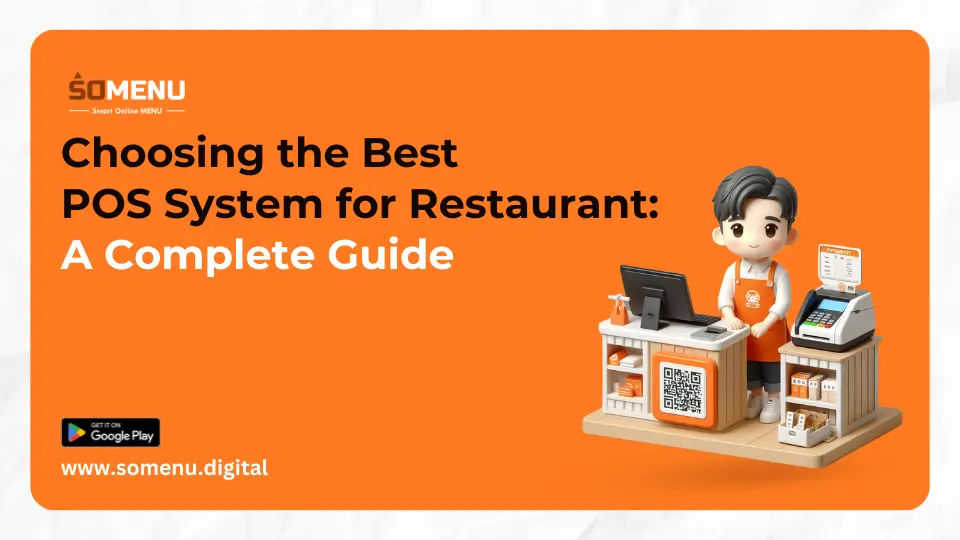
Seamless Operations Integration with POS systems ensures seamless operations, from order taking to payment processing. It allows for real-time updates on menu items and availability, reducing errors and enhancing efficiency.
Data Synchronization Data synchronization between digital menus and POS systems provides valuable insights into sales trends, inventory levels, and customer preferences, enabling better decision-making.
Enhancing Customer Interaction with Digital Menus
Interactive Features Digital menus can include interactive features like touchscreens, QR codes, and self-ordering kiosks. These enhance customer engagement and convenience.
Feedback Collection Incorporate feedback collection tools in your digital menu to gather customer opinions and improve your offerings. This can be done through surveys, ratings, and comment sections.
Digital Menus for Different Types of Establishments
Restaurants Full-service restaurants benefit from digital menus through enhanced presentation and order accuracy. They can display detailed information about dishes and drinks.
Cafes Cafes can use digital menus to showcase their beverage options, including customizable drinks and seasonal specials. This helps in attracting a younger, tech-savvy audience.
Bars Bars can display their drink menus, including cocktails, beers, and wines, with appealing visuals and detailed descriptions, making it easier for customers to choose.
Food Trucks For food trucks, digital menus offer a portable solution that can be easily updated to reflect daily specials and location changes.
Case Studies: Success Stories
Examples of Businesses that Transformed Explore success stories of businesses that have transitioned to digital menus. For instance, a chain restaurant that saw increased sales and customer satisfaction after implementing digital menus.
Challenges and Solutions
Common Issues Some common challenges include the initial cost of implementation, resistance to change from staff, and technical issues.
How to Overcome Them Address these challenges through careful planning, thorough training, and choosing reliable technology providers. Emphasize the long-term benefits to gain staff buy-in.
Future Trends in Digital Menus
Emerging Technologies Stay ahead by adopting emerging technologies like AI-driven menu recommendations, voice-activated ordering, and augmented reality menus.
Industry Predictions The future of digital menus is promising, with predictions pointing towards greater personalization, integration with smart devices, and enhanced customer experiences.
Regulatory Considerations
Compliance Ensure your digital menus comply with local health and safety regulations. This includes displaying allergen information and adhering to digital accessibility standards.
Accessibility Standards Make your digital menus accessible to all customers, including those with disabilities. Use large fonts, high-contrast colors, and screen reader compatibility.
Marketing Your Digital Menu
Strategies to Promote Promote your digital menu through social media, email marketing, and in-restaurant signage. Highlight the convenience and enhanced dining experience it offers.
Engaging Customers Engage customers by offering exclusive digital menu deals, loyalty rewards, and interactive features. Encourage them to share their experiences on social media.
Training Staff for Digital Menus
Importance Training is crucial for a smooth transition to digital menus. Ensure staff are comfortable with the new technology and understand its benefits.
Methods Use a combination of hands-on training sessions, instructional videos, and user manuals. Provide continuous support to address any issues that arise.
Resources Leverage resources from your digital menu provider, including training materials and customer support services, to facilitate the training process.
Analyzing the Impact of Digital Menus
Metrics Analyze metrics like sales data, customer feedback, and order accuracy to measure the impact of digital menus on your business.
Customer Feedback Collect and review customer feedback regularly to identify areas for improvement and ensure your digital menu meets customer expectations.
Business Growth Monitor business growth indicators such as increased sales, improved customer satisfaction, and reduced operational costs to evaluate the success of digital menus.
Cost Analysis of Digital Menus
Initial Investment Consider the initial costs of digital menu hardware and software, as well as any setup and training expenses.
Long-Term Savings Weigh these against long-term savings from reduced printing costs, improved efficiency, and increased sales.
Digital Menus and Customer Data
Collecting Digital menus provide opportunities to collect valuable customer data, including preferences and purchasing behavior.
Analyzing Analyze this data to gain insights into trends and preferences, allowing you to tailor your offerings to meet customer needs.
Using Insights Use insights gained from customer data to optimize your menu, improve marketing strategies, and enhance overall customer experience.
Security Concerns with Digital Menus
Protecting Customer Data Ensure customer data is protected by implementing robust security measures, including encryption and secure servers.
Best Practices Follow best practices for data security, such as regular software updates, employee training, and compliance with data protection regulations.
FAQs about Digital Menus
What are the benefits of digital menus?
Digital menus enhance customer experience, improve operational efficiency, and reduce costs.
How do I choose the right digital menu software?
Look for features like easy content management, POS integration, customization options, and analytics.
Can digital menus be customized?
Yes, digital menus can be customized to reflect your brand identity and menu structure.
Are digital menus suitable for all types of establishments?
Digital menus are versatile and can be used in restaurants, cafes, bars, and food trucks.
How do digital menus integrate with POS systems?
Digital menus can seamlessly integrate with POS systems for real-time order processing and data synchronization.
What are the future trends in digital menus?
Future trends include AI-driven recommendations, voice-activated ordering, and augmented reality menus.
Conclusion
Digital menus represent a significant step forward in the evolution of the dining experience. They offer numerous benefits, from enhanced customer interaction to streamlined operations and cost savings. By understanding the intricacies of digital menus and implementing them effectively, restaurants can not only stay competitive but also provide a superior dining experience for their customers.