Category: Technology
A Complete Guide to Restaurant Billing Systems: From Orders to Reservations

Uncover everything you need to know about restaurant billing systems! Explore how these solutions streamline order management, reservations, payment processing, and more, boosting efficiency and enhancing customer satisfaction.
Table of Contents
- Importance of a Functional and Detailed Billing System
- Key Components of a Restaurant Billing System
- Types of Restaurant Billing Systems
- Choosing the Right System
- Optimizing Your Billing System
- Enhancing Customer Experience with a Billing System
- Key Trends in Restaurant Billing Systems
- Faq
- Conclusion
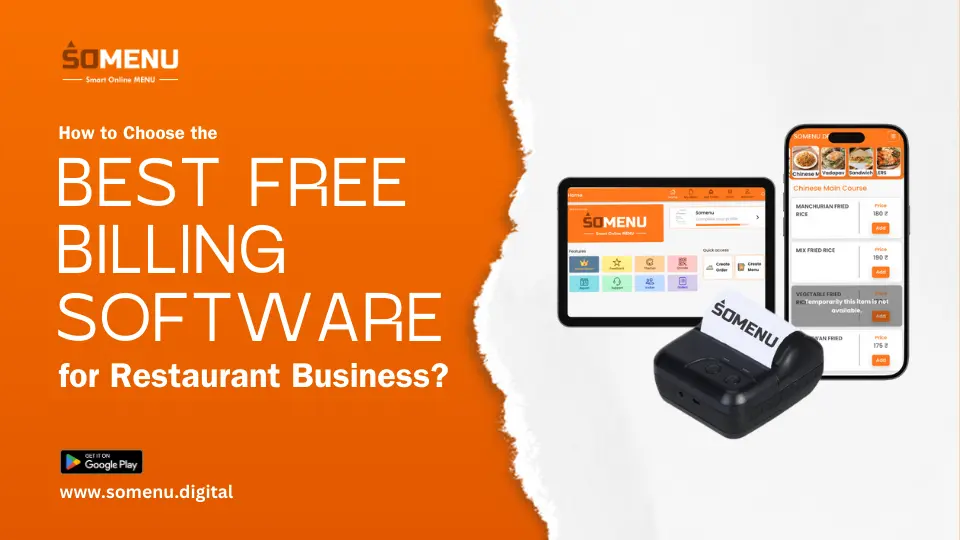
As any restaurant manager can tell you, there always needs to be an effective billing system in place. The modern restaurant billing system today is not just limited to payment processing; it encompasses every aspect of running a restaurant, from taking and managing orders to managing reservations, inventory control and even analytics all in one solution. In this detail oriented guide, we will explore all the features modern billing systems come with, how these features work and how to pick the right system for your restaurant.
Importance of a Functional and Detailed Billing System
A restaurant billing system is more than a cash register; it's the operational core, helping with orders, billing, reservations, and stock control. In fast-paced environments, a good billing system improves accuracy, minimizes errors, and ensures a smooth customer experience, all of which increase efficiency and satisfaction.
Key Components of a Restaurant Billing System
Order Management: Enables accurate, fast order placement directly from the table to the kitchen, reducing waiting times and miscommunications.
Table Reservations and Management: Allows real-time tracking of table occupancy and helps manage reservations, reducing customer wait times and improving flow.
Inventory Control: Tracks ingredient usage, notifies on low stock, and assists in minimizing waste and unplanned shortages.
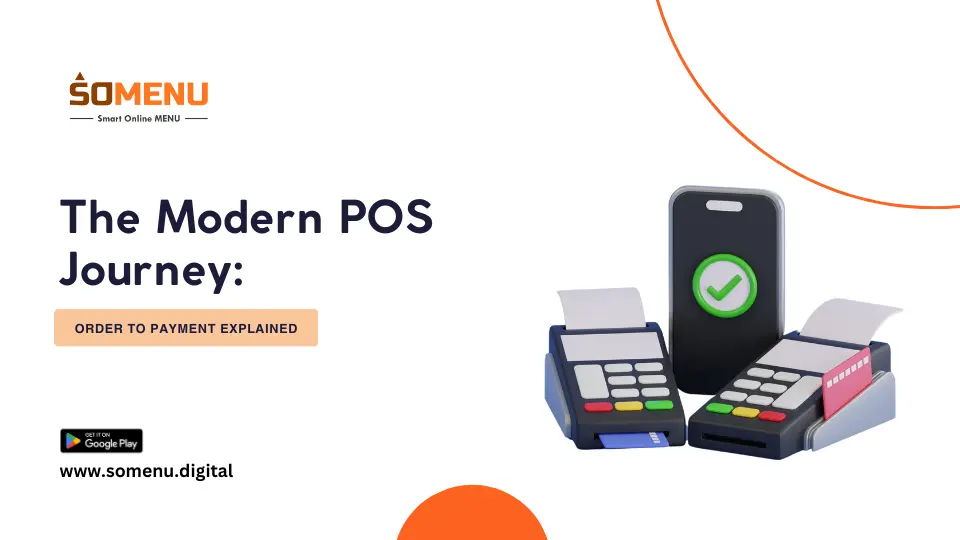
Payment Processing: Supports diverse payment methods like credit cards and mobile payments, with options for split bills and tips.
Customer Relationship Management (CRM): Manages customer preferences and purchase history, improving service for repeat customers.
Data Analytics and Reporting: Provides insights on sales, peak hours, and popular items, guiding decisions on staffing, menu changes, and promotions.
Types of Restaurant Billing Systems
Traditional POS: Fixed stations for order and payment entry, suitable for small establishments.
Mobile POS: Handheld devices for table-side order and payment, increasing efficiency and service flow.
Cloud-Based POS: Centralized data management, ideal for multi-location restaurants needing real-time data access.
Choosing the Right System
Restaurant Size and Type: Smaller establishments may need basic POS systems, while full-service restaurants benefit from additional features like CRM and analytics.
Integration Compatibility: Ensure compatibility with existing reservation, inventory, or CRM systems.
User-Friendly Interface: A simple interface reduces training time and minimizes mistakes, especially during busy hours.
Vendor Support: Select systems with reliable customer support and regular updates.
Optimizing Your Billing System
Develop a Migration Plan: Schedule a transition period for training and adjustment.
Employee Training: Ensure all staff understand the system.
Customize Settings: Adapt system settings to your restaurant’s layout.
Gather Feedback: Continuously improve system settings based on staff feedback.
Enhancing Customer Experience with a Billing System
Quick Service: Reduces wait times for food and billing.
Order Accuracy: Digital orders minimize errors, ensuring customers get what they ordered.
Flexible Payment Options: Supports various payment methods, offering convenience for customers.
Personalization and Loyalty Programs: Rewards frequent customers and boosts retention.
Key Trends in Restaurant Billing Systems
Contactless Payments: The shift to cashless payments has made contactless options essential.
Data Analytics: AI-enhanced analytics aid in forecasting peak times and inventory needs.
Self-Service: Kiosks and app-based ordering streamline order placement, reducing labor costs.
A robust restaurant billing system is essential in modern dining, making operations smoother and enhancing customer satisfaction.
Faq
1.Why is a billing system important for restaurants?
It helps manage orders, payments, inventory, reservations, and customer data, boosting accuracy and efficiency.
2.Key features in a billing system?
Order management, table reservations, inventory control, payment processing, CRM, and data analytics.
3.Types of billing systems?
Traditional POS, mobile POS, and cloud-based POS.
4.How to choose the right system?
Consider your restaurant size, system compatibility, ease of use, and vendor support.
5.Benefits of mobile POS?
Enables tableside order-taking and payments, improving service flow.
6.Why is CRM useful?
Tracks customer preferences, enhancing personalized service and loyalty.
7.How does it improve customer experience?
Reduces wait times, improves order accuracy, and supports multiple payment options.
8.Current trends?
Contactless payments, AI-driven data analytics, and self-service kiosks.
9.Steps for implementation?
Plan migration, train staff, customize settings, and gather feedback.
10. Why are analytics important?
They provide insights into sales trends, helping optimize operations.
Conclusion
The efficiency and quality of service delivered by a restaurant can be revolutionized just by selecting an appropriate billing system. Connecting various components such as order processing, table reservations, vendors payment processing and customer behavior analytics to a billing system would enhance the usefulness of this tool in managing both the front and back offices. From a corner coffee house to a global restaurant franchise, a current all in one and easy to integrate restaurant billing system offers a great step in enhancing the customers’ experience with the dining business and improving its returns.