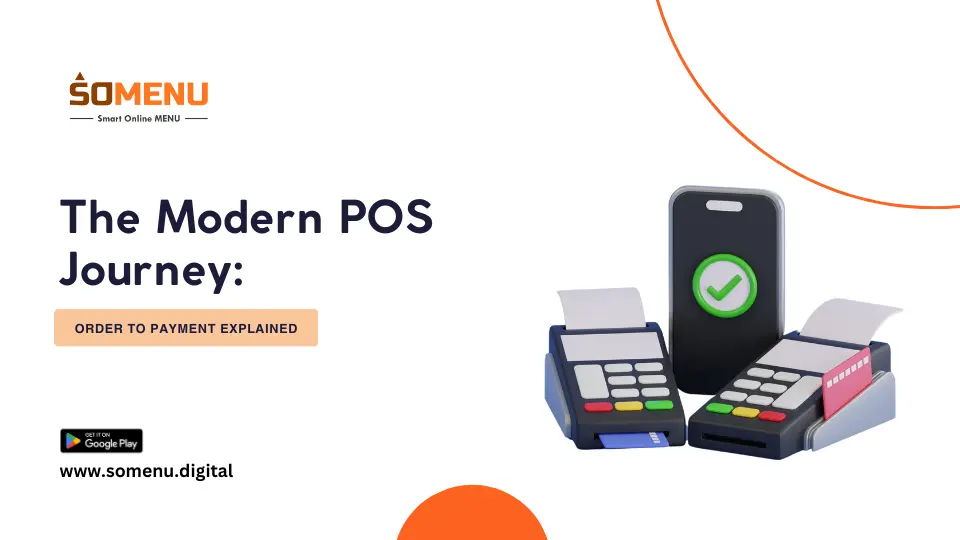

Discover the evolution of POS systems from cash registers to advanced solutions. Explore how they enhance customer experience and streamline retail operations.
Table of Contents
- Evolution of POS Systems
- The Modern POS Experience
- Benefits of Latest POS Systems
- The Future of POS Systems
- FAQ
- Conclusion
Evolution of POS Systems
The other great advantage that modern POS systems afford you is real-time menu updates. It may be a new dish, seasonal special, or price modification. From the central dashboard, the operator can update the menu in real time, ensuring that customers always get to see the most accurate information, henceforth getting rid of any confusion and making it an enjoyable dining experience.
The Modern POS Experience
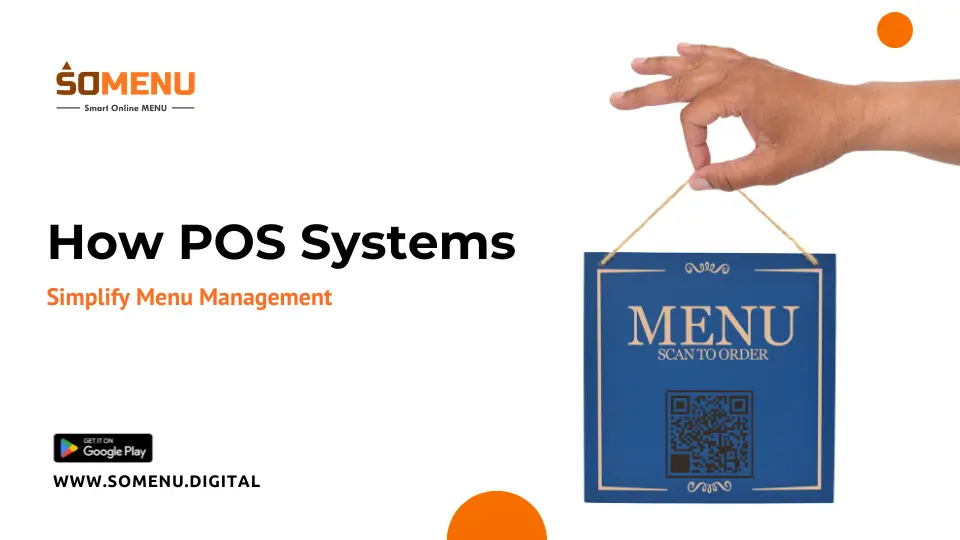
All menu items are centralized through a POS system, allowing the control of menu items across multiple locations within one system. This is especially helpful for chain restaurants or franchises because it gives uniformity in offerings and pricing. Changes made on the corporate level immediately reflect in all locations, which ensures uniformity among customers.
Benefits of Latest POS Systems
POS systems can also be integrated nicely with inventory management tools, where the operator can track the availability of ingredients. In cases where an ingredient is running low, the POS system will automatically update the menu items that cannot be offered, which allows the business not to over-promise in front of customers. This means it reduces food waste, implying better cost management and sustainability.
The Future of POS Systems
Today's POS systems are often installed with analytics functionality, tracking customer preferences. Based on the sales statistics, the operator can find out which of the menu items do and do not sell at all. This analytical power is always applied to any selection, addition, or modification of menu items, ensuring profitability.
FAQ
1.What is a POS system?
POS (Point of Sale) system is a software and hardware solution that enables businesses to process sales transactions and manage operations, including inventory, customer data, and reporting.
2.How do POS systems simplify menu management?
POS systems simplify menu management by allowing real-time updates, centralized control of menu items, integration with inventory management, and .tracking customer preferences and analytics.
3.Can POS systems update the menu in real time?
Yes, modern POS systems can update the menu in real time, ensuring that customers always see the most accurate information, including new dishes or price changes.
4.How do POS systems help in managing promotions and discounts?
POS systems allow operators to easily set up and manage promotions and discounts, which are automatically applied at checkout, reducing errors and enhancing customer satisfaction.
5.What are the benefits of centralized control in POS systems?
Centralized control allows operators to manage menu items across multiple locations, ensuring consistency in offerings and pricing, which is especially beneficial for chain restaurants or franchises.
6.How do POS systems contribute to better inventory management?
POS systems can integrate with inventory management tools, automatically updating the menu when certain ingredients run low, thus reducing food waste and improving cost management.
7.Are POS systems user-friendly for staff training?
Yes, most POS systems are designed to be user-friendly, making it easier for new staff to learn how to manage the menu and enter orders accurately, which reduces training time.
8.Can POS systems track customer preferences?
Yes, many POS systems come with analytics functionalities that track customer preferences and sales statistics, helping operators make informed decisions about menu items.
9.What kind of establishments benefit from using POS systems?
POS systems are beneficial for a wide range of establishments, including restaurants, cafes, bars, and any food service operations that require efficient menu management and transaction processing.
10. How do POS systems improve the customer experience?
By streamlining menu management, reducing order processing times, and providing up-to-date menus through digital displays, POS systems enhance the overall dining experience for customers.
Conclusion
In conclusion, POS systems simplify menu management in establishments that serve food and beverages. From real-time updates and centralized control to integrated inventory and customer analytics, they offer ways to run restaurants more efficiently while enhancing customer satisfaction. Here is why a reliable POS system will give restaurants and cafes the tools to change the game in a very competitive market as the industry continues to move forward.